You might not think much about your gums until they start to bleed when you brush, feel sore when you eat, or make your teeth seem a little loose. That is often how it starts. Small signs show up, life gets busy, and you tell yourself you will deal with it later. Then later turns into worry. You may wonder if it is serious, if it will be painful to fix, or if you have already waited too long. If you are also exploring related care like South Holland orthodontics, it can help to address concerns early.
If that sounds familiar, you are not alone. Gum problems are common, and they can sneak up on people who otherwise feel healthy. The good news is that general dentists help patients maintain healthy gums by spotting early signs, guiding better home care, removing buildup that brushing cannot reach, and treating problems before they grow. In many cases, steady dental visits and daily habits can protect your smile and support your overall health.
Why Do Gums Need So Much Attention in General, Cosmetic, and Restorative Dentistry?
Your gums do more than frame your teeth. They hold and protect the structures underneath, and when they are irritated or infected, the effects can spread beyond one sore spot. Plaque and tartar can collect along the gumline, which may lead to gingivitis, the early stage of gum disease. If that irritation is not treated, it can move into deeper tissues and bone.
Because of this, gum health matters in every part of general dentistry, and it also affects cosmetic and restorative work. A bright smile does not stay bright for long if the gums around it are inflamed. A crown or filling works best when the surrounding tissue is healthy. Even a patient who wants whiter teeth often needs gum care first, simply because healthy gums create the foundation for lasting results.
According to the CDC overview of gum and periodontal disease, gum disease is a common condition, especially in adults. The National Institute of Dental and Craniofacial Research also explains that early gum disease may be painless, which is one reason many people miss it at first. So, where does that leave you? It means routine dental care is not just about cleaning teeth. It is also about catching quiet problems before they become expensive or painful.
What Does a General Dentist Actually Do to Prevent Gum Disease?
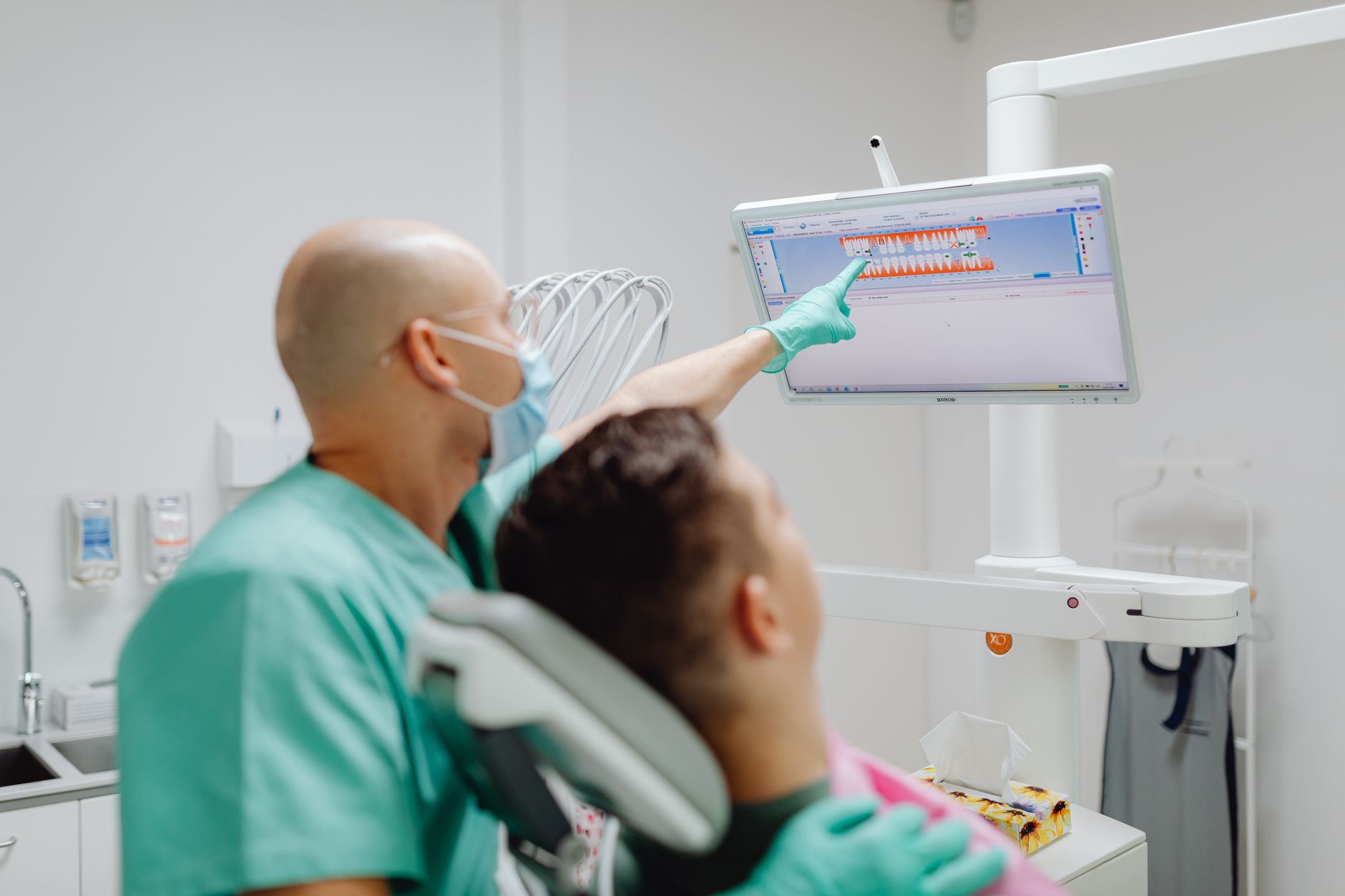
A general dentist usually starts with the basics, but those basics matter more than many people realize. During an exam, the dentist checks for redness, swelling, bleeding, gum recession, and pockets forming around the teeth. Those pockets can be a sign that bacteria are settling below the surface, where a toothbrush cannot reach.
Professional cleanings are a big part of prevention. Even if you brush and floss every day, plaque can harden into tartar, and tartar has to be removed with dental tools. Once it sits along the gumline, it keeps irritating the tissue. That can create a cycle of inflammation, tenderness, and more buildup.
There is also the guidance side of care, which often gets overlooked. A dentist may show you how to brush at the gumline, how to floss without snapping into the tissue, or how a dry mouth, smoking, stress, or certain health conditions may affect your gums. This kind of support is often what turns a frustrating routine into one that actually works.
If symptoms are already showing up, treatment may include deeper cleaning methods and a plan for more frequent follow ups. MedlinePlus explains gum disease symptoms and treatment in a way that helps many patients understand when simple irritation has become something more serious.
How Does Home Care Compare to Professional Gum Care?
People often ask a fair question. If you brush and floss at home, why do you still need dental visits? The short answer is that home care and professional care do different jobs. One supports the other.
|
Home Care |
Professional Dental Care |
|
Removes daily food debris and soft plaque |
Removes hardened tartar that brushing cannot remove |
|
Helps reduce bad breath and surface irritation |
Checks for early signs of gum infection, recession, and bone loss |
|
Supports healthy habits between visits |
Provides targeted treatment if gums are bleeding, swollen, or pulling away from teeth |
|
Depends on technique and consistency |
Uses trained evaluation and tools to reach below the gumline when needed |
This is why gum health care works best as a partnership. Think of it this way. Brushing and flossing are like daily maintenance on your home. Dental visits are the inspections and repairs that catch hidden damage before it spreads.
What Can You Do Right Now to Support Healthy Gums?
1. Pay attention to small warning signs.
Bleeding when you brush, ongoing bad breath, gum tenderness, or teeth that look longer than they used to can all mean your gums need attention. Do not wait for pain. Early gum issues are often easier and less costly to manage.
2. Improve your brushing and flossing technique.
Brush gently along the gumline twice a day, and floss once a day with care. If you are unsure whether you are doing it well, ask your dentist to show you. A small change in technique can make a real difference over time.
3. Keep routine dental visits on your calendar.
Consistency matters. Regular exams and cleanings give your dentist a chance to protect your gums before bigger treatment is needed. That is one of the simplest ways dentists support oral health and help patients avoid future problems.
What Happens When You Stop Waiting and Start Caring for Your Gums?
Healthy gums rarely happen by accident. They are usually the result of simple habits, regular checkups, and early care when something feels off. If you have been worried about bleeding, tenderness, or changes in your smile, that concern is worth taking seriously. It does not mean the situation is hopeless. It means your body may be asking for attention.
With the right support in General, Cosmetic, And Restorative Dentistry, you can protect your gums, your teeth, and your comfort. Taking the first step now can spare you stress later, and it can help you feel more at ease every time you smile, eat, or brush your teeth.