Two shirts, side by side on a screen. One is $9.99 with free shipping. The other is $24.99 and the shipping isn't free unless you spend more. Same fandom, similar design. The cheap one wins the click nine times out of ten.
Two years later, the math looks different. Let's actually run it.
The Assumptions
We need a few numbers to work with. These come from talking to people who buy a lot of tees and from watching my own drawer.
Wear frequency. A shirt in regular rotation gets worn and washed about once a week. That's roughly 50 washes a year, 100 over two years.
Lifespan of a $10 tee. The blank is usually thin, open-end cotton. The print is usually a rushed DTG or low-cure screen print. Realistically, these look tired after 20–30 washes and get demoted to sleepwear or bin around 40. Call it 40 washes, or about ten months in rotation.
Lifespan of a $25 tee. Ring-spun or heather-blend fabric, properly cured print. With reasonable care these go 100+ washes. Call it two years, and many will go longer.
Replacement behavior. When a cheap shirt dies, you replace it with another cheap shirt. Nobody upgrades mid-cycle.
The Two-Year Tally
Path A: the $10 tee
- Purchase 1: $10 (month 0)
- Purchase 2: $10 (month 10)
- Purchase 3: $10 (month 20)
- Total: $30 for two years, with a shirt that looks faded for roughly half of each cycle.
Path B: the $25 tee
- Purchase 1: $25 (month 0)
- Total: $25 for two years, plus a shirt that still looks decent at the end and probably has another year in it.
Even before quality, the expensive shirt is cheaper over the period. And that's with generous assumptions for the cheap one — plenty of $10 tees don't make it to 40 washes.
Where Does the Extra $15 Go?
It's fair to ask. Some of it is margin, obviously. But a good chunk is real cost.
Fabric. Ring-spun cotton or a cotton-poly heather blend costs more per blank than open-end cotton, and it's the single biggest factor in how a shirt ages. Softer, denser, less pilling, more shape retention.
Print quality. Proper curing takes time and equipment. An underbase on dark shirts takes an extra pass. Water-based inks cost more than plastisol. Every shortcut skipped costs money.
Design. Original artwork by someone who was paid to make it. The $10 shirt is often a stolen or auto-generated design slapped on a blank.
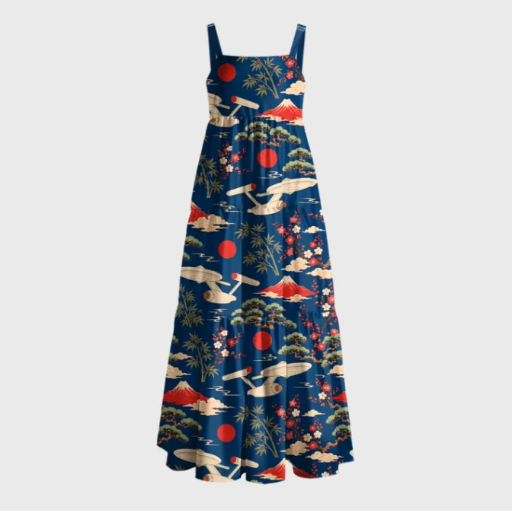
Browse a mid-priced specialist and you can see the tiers within one store. Geeksoutfit's geek shirts range runs from about $22 for a classic tee up to $28 for a retro raglan, with the heather and washed-vintage lines sitting in between — the price steps track fabric weight and construction, not just the graphic. The same logic scales up: the store's geek maxi dreses sit around $50, and a sublimated all-over print on a poly blend is the reason — that method doesn't crack, so the dress earns its price the same way the tee does.
The Costs You Don't See on the Receipt
Time. Every replacement is a browsing session, a checkout, a delivery to wait for. Twenty minutes, three times, versus once.
Shipping. Cheap tees often come from marketplaces where each order ships separately. The $10 shirt with "free" shipping has it baked into a thinner blank. The $25 shirt from a store with a free-shipping threshold encourages you to buy two or three at once, which drops the per-shirt shipping to zero.
The dead zone. This is the big one. A cheap shirt spends a lot of its life in the faded, misshapen stage where you technically still own it but don't want to wear it out. You're paying for a shirt you avoid.
Returns. Sizing on rock-bottom tees is notoriously inconsistent. One in four might not fit. Return shipping on a $10 item often costs more than the item.
When Does the Cheap Tee Actually Win?
It's not never. A few honest cases:
- One-off events. A shirt for a single party, a 5K, or a joke you'll be over in a week. Buy cheap, wear once, move on.
- Kids. They outgrow shirts faster than any shirt can wear out.
- Work shirts you'll destroy with paint or grease.
- Testing a fit. If you're unsure about a new brand's sizing, a cheap tee from them first can save a return on a pricier item.
Outside those, the arithmetic favors spending more per shirt and buying fewer.
How Do You Spot the $25 Quality at a Lower Price?
Sales. Specialist stores run flash sales on new designs, often dropping a $22 tee to $15. That's the sweet spot: quality blank, proper print, near-budget price. The trick is to have a short list of designs you actually want and wait, rather than impulse-buying whatever's discounted.
Also watch for fabric descriptions. "Ring-spun," "combed," "heather," "tri-blend," and stated fabric weights (like 4.3 oz or 5.3 oz) are signs a seller knows what they're selling. Vague descriptions or none at all are a signal too.
The Real Comparison
Price per wear is the number that matters. $10 over 40 wears is 25 cents a wear. $25 over 100 wears is the same 25 cents — but you got a shirt that looked good for all 100 of them, and you spent less total. Push the good shirt to 150 wears, which isn't hard, and it's 17 cents a wear.
Buy the shirt you'll still want to put on in year two. It's cheaper.