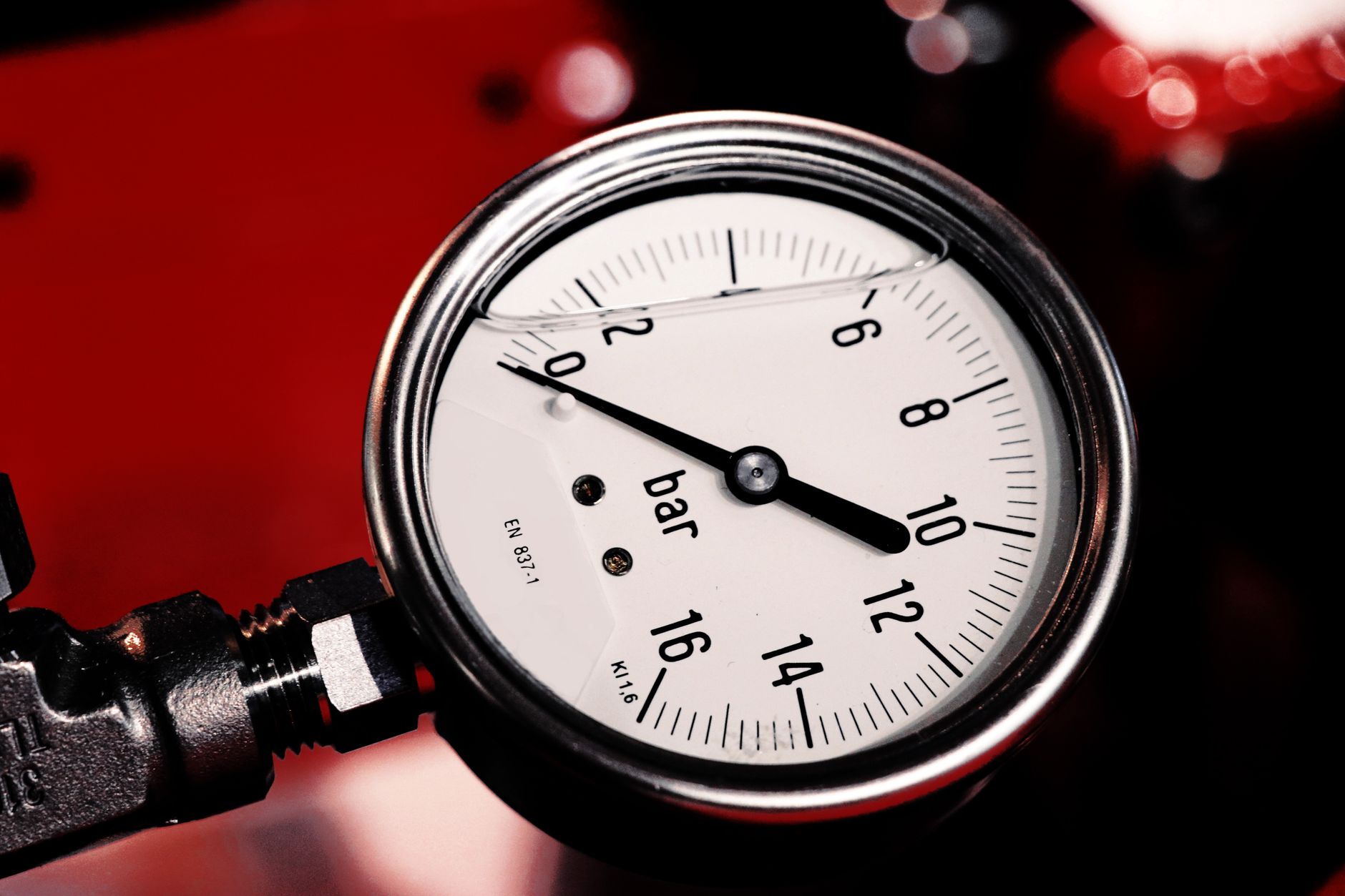
You chew, swallow, talk, and get through the day without thinking much about your bite until one tooth starts getting your attention. It may feel sore when you eat, oddly sensitive, or just “off” when you close your mouth. That kind of discomfort can wear on you fast, especially when it keeps coming back and you cannot tell why. If the pain becomes urgent, contacting an emergency dentist new port richey may help you get answers and relief quickly.
Sometimes the problem is not a cavity or a cracked filling at first. Sometimes your bite is landing harder on one spot, and that single tooth is taking more force than it should. Bite pressure on one tooth can lead to pain, wear, looseness, headaches, and jaw tension if it keeps happening. A general dentist can check the way your teeth meet, look for damage, and help spread that pressure more evenly before a small issue turns into a bigger one.
One Tooth Can Absorb More Force Than You Realize
Your teeth are meant to share pressure. When they do not, one tooth may act like the first point of contact every time you bite down. That repeated stress can inflame the ligament around the tooth, irritate the nerve, and create a chain reaction in your jaw muscles.
This can happen after a new filling or crown that sits a little high. It can also show up when you grind your teeth at night, clench during stress, or have a bite that has shifted over time. The National Institute of Dental and Craniofacial Research explains bruxism as a condition that can place heavy force on teeth and supporting structures, often without you realizing it.
A Sore Tooth When You Bite Down Often Points To Uneven Bite Pressure
One of the clearest signs is pain when you chew, especially if the tooth feels mostly fine at rest. You may notice a quick zing when food hits a certain spot, or a dull ache after meals. People often assume that means decay, but a tooth under repeated force can become tender even without a visible cavity.
If that soreness keeps returning on the same side, or if you avoid chewing there without meaning to, your bite may be concentrating pressure in one place.
Tooth Sensitivity That Comes And Goes Can Signal A Bite Problem
Cold drinks, hot coffee, or even breathing in through your mouth can trigger sensitivity in a tooth that is overloaded. The pressure can irritate the inner structures of the tooth and make it react more strongly than it should.
This kind of sensitivity can be confusing because it may not happen all the time. You might have a few bad days, then a stretch where it settles down, then it flares again after stress or a night of grinding. That uneven pattern is one reason people put it off.
Wear, Chipping, Or A Hairline Crack Can Start From Repeated Force
When one tooth takes too much impact, the enamel can begin to flatten, chip, or fracture. You may see a rough edge in the mirror, or notice that a tooth suddenly catches your tongue. In some cases, the crack is too small to see at home, but the symptoms are there. Sharp pain when releasing your bite is a common clue.
Uneven bite pressure on a tooth does not always cause dramatic pain right away. Sometimes it slowly weakens the tooth until a harder food, a clenching episode, or a routine meal pushes it past its limit.
Jaw Tension And Headaches Often Travel With A Misaligned Bite
A bite issue rarely stays isolated to the tooth itself. If your mouth is trying to work around one high contact point, your jaw muscles may stay tense longer than they should. That can leave you waking up with a tight jaw, aching cheeks, or headaches near your temples.
Jaw discomfort can also overlap with temporomandibular joint problems. MedlinePlus describes temporomandibular disorders as a source of jaw pain, clicking, and trouble chewing, all of which can connect to the way your bite functions.
A Tooth That Feels Loose Or Taller Than The Others Needs Attention
People often describe this as a tooth that “hits first” or feels slightly raised. That sensation matters. Excess force can inflame the tissues around the root and create a small amount of movement, which can make the tooth seem loose or different when you tap your teeth together.
That does not always mean the tooth is about to fall out. It does mean the supporting structures may be under strain, and strain tends to build if nothing changes.
Ignoring Pressure On One Tooth Can Lead To More Treatment Later
When a bite problem keeps repeating, the costs can grow. A minor adjustment today may prevent a cracked tooth, root canal, crown replacement, or gum irritation later. You may also keep shifting how you chew, which can create new sore spots and wear on other teeth.
|
Sign |
What You May Notice |
What It Can Lead To |
|
Pain when biting |
Sharp or dull pain during chewing |
Inflamed ligament, cracked tooth, avoiding one side |
|
On and off sensitivity |
Reaction to cold, heat, or pressure |
Nerve irritation, worsening discomfort |
|
Chipping or wear |
Flattened edge, rough spot, small chip |
Fracture, need for bonding or crown |
|
Jaw soreness or headaches |
Tight jaw, temple pain, morning tension |
Muscle strain, TMJ symptoms |
|
Tooth feels high |
One tooth touches first |
Ongoing overload, bite imbalance |
|
Tooth mobility |
Feels slightly loose or tender to tap |
Stress on supporting bone and ligament |
Small Steps Can Protect Your Teeth Before The Damage Builds
Pay attention to patterns. Notice whether the pain shows up when chewing, after waking, or during stressful periods. If one tooth keeps feeling high, sore, or sensitive, write it down. That pattern helps your dentist find the source faster.
Avoid testing the tooth. It is tempting to keep biting on the sore spot to see if it still hurts. That usually adds more irritation. Stick to softer foods on that side for a day or two and avoid hard items like ice, nuts, or crusty bread until you are evaluated.
Schedule a dental bite check. A general dentist can examine your tooth, check for cracks, review recent dental work, and see how your bite comes together. If grinding or clenching is part of the problem, treatment may include a bite adjustment, polishing a high spot, restoring damaged enamel, or a night guard.
Getting The Pressure Off One Tooth Can Bring Real Relief
If a tooth has been bothering you and you cannot quite explain why, you are not imagining it. A bite that is off by even a small amount can make one tooth do too much work. Catching that early can save you pain, money, and a more involved repair later.
If these signs sound familiar, schedule an appointment with a dentist and have your bite checked. Relief often starts with finding that one spot that has been carrying too much pressure all along.