You brush your child’s teeth while trying to pack lunches, answer texts, and get everyone out the door. You tell yourself you’ll schedule your own cleaning next week. Then a parent mentions a cracked tooth, dry mouth, dentures that no longer fit right, or even the need for root canal therapy in Dumfries, VA, and it hits you that dental care changes with age, but the need for it never goes away. That pressure is real. Oral health can feel easy to ignore until something hurts, costs money, or starts affecting meals, sleep, and confidence.
That is where preventive care helps. How Preventive Dentistry Protects Smiles From Toddlers To Seniors comes down to something simple. Small, steady care prevents bigger problems. A family dentist watches for changes early, helps you build habits that fit real life, and lowers the odds of cavities, gum disease, tooth loss, and painful emergencies.
Preventive dental care works differently at every age
A toddler’s mouth changes fast. Baby teeth hold space for adult teeth, support speech, and help with eating. When decay starts early, children can end up with pain, trouble sleeping, missed school, and fear around dental visits. The CDC shares practical oral health tips for children that show how daily brushing with fluoride toothpaste and regular dental visits lower those risks.
School age children and teens often look fine from the outside, even when problems are starting. A child may brush quickly, skip flossing, or sip sweet drinks all day. Cavities do not always announce themselves early. By the time there is pain, treatment is usually more involved and more expensive than a routine exam and cleaning would have been.
Adults know this pattern too well. You miss one appointment, then another. A little bleeding when you brush becomes normal in your mind. Sensitivity starts, then chewing on one side becomes a habit. The CDC’s oral health tips for adults point back to the basics because the basics work. Brush twice a day with fluoride toothpaste, clean between teeth, limit sugar, and keep up with exams and cleanings.
Older adults face a different set of problems. Dry mouth from medications, gum recession, root decay, and trouble cleaning around bridges, implants, or dentures can quietly build into larger issues. The National Institute on Aging explains how taking care of your teeth and mouth supports comfort, nutrition, and overall health as you age. If your gums hurt or your dentures slip, eating changes. When eating changes, energy and health can shift with it.
A family dentist helps prevent pain, cost, and disruption
People often think of prevention as a cleaning and a reminder to floss. It is more than that. A family dentist tracks growth in children, bite changes in teens, gum health in adults, and wear, dryness, or restoration issues in seniors. That long view matters because patterns show up over time.
If a child grinds their teeth, early monitoring can protect enamel and jaw comfort. If an adult has early gum inflammation, a dentist can step in before bone loss begins. If a senior has a crown edge trapping plaque or a denture causing sore spots, small adjustments can prevent infection and weight loss from painful chewing.
Preventive dental care also protects your budget. A routine visit is usually easier to plan for than a root canal, extraction, or emergency appointment on a Friday afternoon. The same is true emotionally. Most people are not avoiding the dentist because they do not care. They are tired, busy, worried about cost, or embarrassed that it has been a while. Prevention makes the next step smaller, which makes it easier to take.
Daily care and professional care protect smiles in different ways
|
Approach |
What It Helps With |
Limits |
|
Brushing twice a day with fluoride toothpaste |
Reduces plaque, strengthens enamel, lowers cavity risk |
Does not remove tartar or catch hidden decay |
|
Cleaning between teeth daily |
Helps prevent gum inflammation and decay between teeth |
Technique matters, missed areas are common |
|
Watching sugar and acidic drinks |
Lowers risk of enamel wear and cavities |
Diet changes alone do not treat existing disease |
|
Routine exams and cleanings with a family dentist |
Finds problems early, removes tartar, monitors changes over time |
Works best when paired with steady home care |
|
Age specific preventive treatments |
May include fluoride, sealants, gum care, denture checks, or bite monitoring |
Needs to be tailored to the person, not copied from someone else’s routine |
oral health prevention for all ages is not about perfection. It is about catching issues while they are still small. Home care handles the day to day buildup. Professional care handles what you cannot easily see or remove on your own.
Simple steps make preventive dentistry easier to keep up with
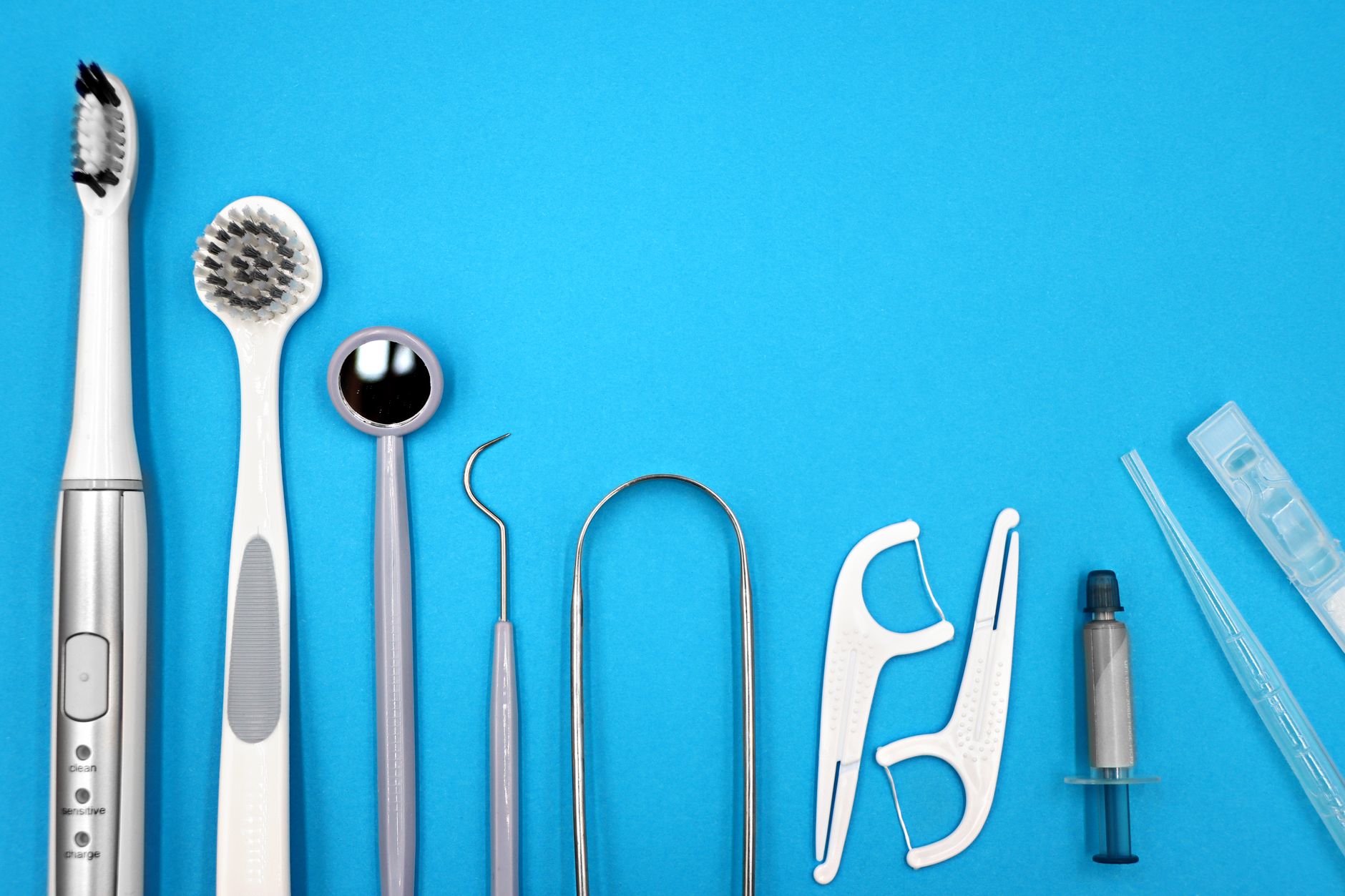
Build one routine for the whole household. Keep fluoride toothpaste, floss picks, and age appropriate brushes where they are easy to reach. Pair brushing with habits that already happen, like pajamas at night or getting dressed in the morning. Children copy what they see, and adults do better with fewer decisions.
Pay attention to small warning signs. Bleeding gums, bad breath that lingers, sensitivity, dry mouth, mouth sores, jaw pain, and loose dentures are not things to push aside. They are early signals. preventive dentistry works best before pain takes over.
Keep regular dental visits on the calendar. A family dentist can adjust care based on age, risk, medications, and past dental work. That matters for a toddler getting used to the dental chair, a teen with braces, a busy parent with gum irritation, and an older adult managing crowns or dentures.
Healthy smiles last longer with steady preventive care
You do not need a perfect routine to protect your teeth. You need a realistic one that you can keep. Preventive dentistry helps children grow with healthier habits, helps adults avoid bigger treatment later, and helps seniors stay comfortable, nourished, and confident. A trusted family dentist can make that care feel manageable, even if it has been a while since the last visit.
If dental care has slipped down the list, now is a good time to bring it back into your routine and schedule a visit with a family dentist.