You may have noticed your teeth looking a little duller, feeling more sensitive, or showing tiny changes you cannot quite explain. That uncertainty gets under your skin fast. Enamel wear often starts quietly, and many people do not realize anything is wrong until cold drinks sting or the edges of a tooth look thinner than they used to. A general dentist looks for these early shifts before they turn into cracks, pain, or larger repairs, and may also discuss cosmetic treatments for a brighter smile in Scarsdale.
How general dentists identify early signs of enamel wear comes down to careful observation, a review of your habits, and a close look at patterns that point to friction, acid, or both. The goal is simple. Catch the damage early enough that you can slow it down, protect the tooth structure you still have, and avoid more invasive treatment later.
Early enamel wear shows up in small changes before it becomes obvious
Enamel is the hard outer layer of your teeth, but hard does not mean indestructible. It can wear down from grinding, acidic drinks, reflux, dry mouth, aggressive brushing, or a bite that puts too much pressure on certain teeth. Once enamel is lost, your body does not grow it back. That is why early enamel erosion detection matters.
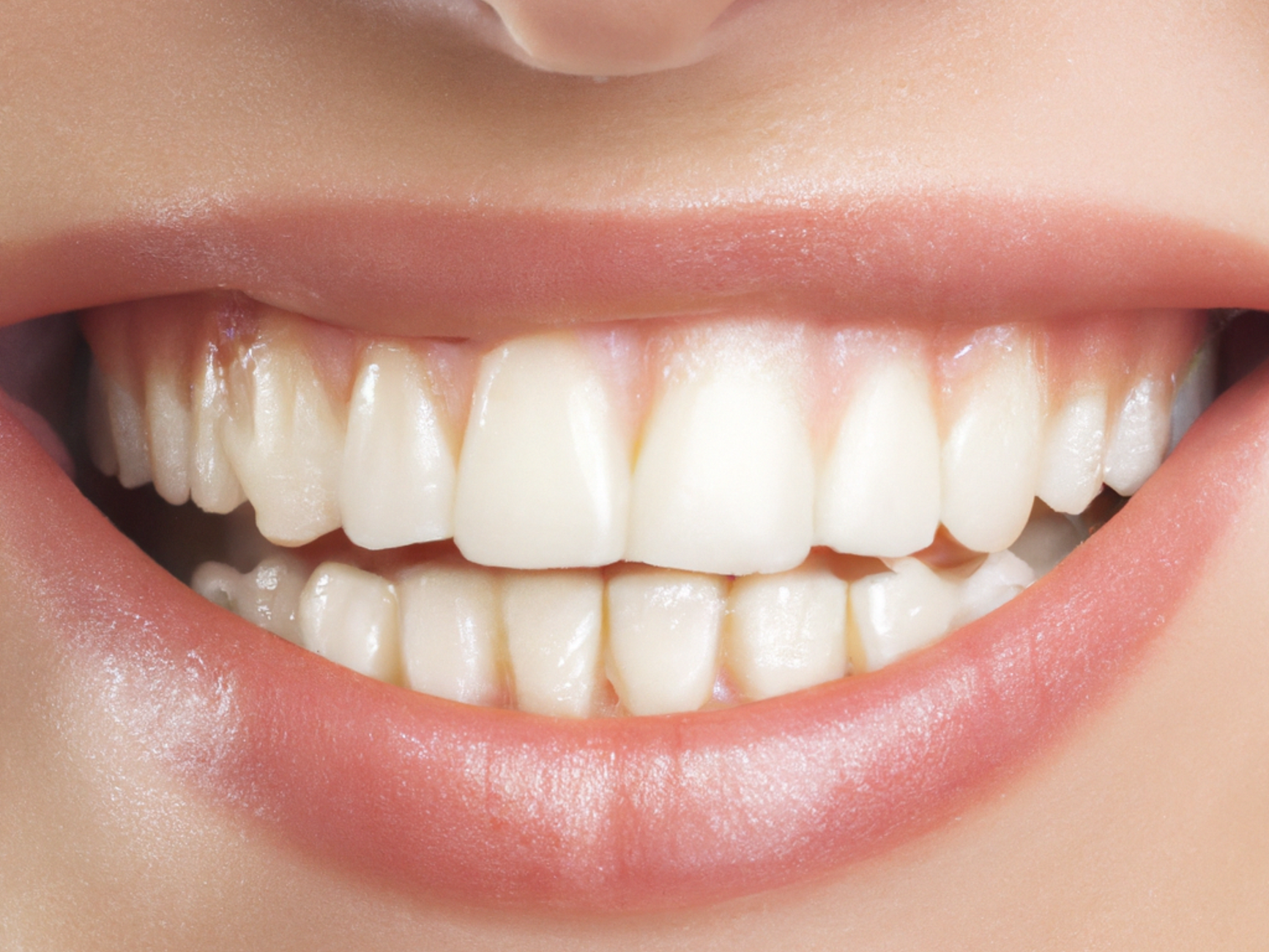
A general dentist often spots signs you may miss in the mirror. The surface of a tooth may look smoother and shinier than normal. The biting edges may appear flattened or slightly translucent. Small dents can form near the gumline. Yellowing can show through as the enamel thins and more of the dentin underneath becomes visible. You might think your teeth are just aging, but that change in color or shape can signal active wear.
Sensitivity is another clue. If ice water suddenly bothers you, or sweet foods trigger a quick zing, the protective layer may already be thinning. Some people dismiss this because the discomfort comes and goes. That is common. Early wear is often uneven, which means one area reacts before the rest of the tooth does.
General dentists connect visible wear with the cause behind it
Seeing the wear is only part of the job. A good dental exam also asks why it is happening. The pattern matters. Flattened chewing surfaces often point to grinding or clenching, especially if you wake up with jaw tension or headaches. Smooth, scooped-out areas can suggest acid exposure from soda, sports drinks, citrus, or stomach acid. According to the NHS research summary on tooth wear initiation and progression, tooth wear usually develops through a mix of mechanical and chemical factors rather than one single cause.
That is why your dentist may ask questions that seem unrelated at first. Do you sip sparkling water all day? Do you brush right after a workout drink? Have you had more heartburn lately? Do you chew ice, use whitening products often, or notice stress clenching during work? These details help explain whether the wear is erosion, attrition, abrasion, or a blend of all three.
Decay can also complicate the picture. Enamel weakened by acid is more prone to breakdown, and worn surfaces can become harder to keep clean. The National Institute of Dental and Craniofacial Research explains how cavities begin and why enamel damage matters in its guide to tooth decay. A general dentist checks for both wear and decay because they can feed into each other.
Dental enamel wear assessment relies on patterns, photos, and follow-up
A dental enamel wear assessment usually includes a visual exam, magnification, and sometimes photos or X-rays. Photos are especially helpful because they give your dentist a baseline. If a small chip, thinning edge, or shallow groove gets worse over six or twelve months, that tells a clearer story than memory alone. X-rays do not show enamel wear perfectly on every surface, but they help rule out other issues and show whether deeper tooth structure is involved.
Your bite also matters. If one tooth is taking more force than it should, wear can speed up in that spot. What starts as a polished patch can turn into a fracture line or a broken filling. That is the part many people do not see coming. They feel fine, then one day a tooth chips while eating something soft because the structure was already weakened.
Daily habits and professional exams catch different signs
|
What gets noticed |
At home |
At a general dentist visit |
|
Tooth sensitivity |
You feel brief pain with cold, sweets, or brushing |
Dentist identifies which teeth react and whether wear, decay, or gum recession is involved |
|
Changes in shape |
You may notice shorter or flatter teeth only after clear wear |
Dentist sees early flattening, cupping, and thinning before it looks dramatic |
|
Color changes |
Teeth may seem more yellow |
Dentist links yellowing to enamel thinning versus stain alone |
|
Grinding damage |
You may notice jaw soreness or headaches |
Dentist spots wear facets, bite stress, and matching patterns on opposing teeth |
|
Acid exposure |
You may not connect drinks or reflux to tooth damage |
Dentist matches smooth erosive wear with diet and medical history |
Early signs of tooth enamel loss deserve fast attention
Early signs of tooth enamel loss are easy to brush off because they rarely start with severe pain. That delay costs people. A small area of wear may only need monitoring, diet changes, fluoride support, or a night guard. Advanced wear can mean bonding, crowns, bite adjustment, and ongoing repair. The longer the cause continues, the more expensive and frustrating the fix becomes.
This is where a general dentist helps in a practical way. You do not need to guess whether your sensitivity is normal, whether your brushing is too hard, or whether your coffee and citrus routine is rough on your teeth. You need a clear read on what is happening now and what is likely to happen next if nothing changes.
Three steps you can take right away
Track what you feel and when. Notice sensitivity, jaw soreness, or changes in tooth shape. If cold drinks hurt after your afternoon soda or after a stressful week of clenching, that pattern matters.
Reduce the common triggers. Limit frequent acidic sipping, do not brush right after acidic foods or drinks, switch to a soft-bristled brush, and avoid chewing ice. If you suspect nighttime grinding, bring it up at your next dental visit.
Book an exam before the damage looks severe. Early wear is easier to manage than advanced loss. A general dentist can document the wear, identify the cause, and recommend the least invasive next step.
Small changes in your teeth are easy to second-guess, especially when life is busy and nothing feels urgent yet. You are not overreacting by paying attention. Enamel wear is easier to slow when it is caught early, and a general dentist can often see the warning signs before they become painful or costly. If you have noticed sensitivity, thinning edges, or a change in how your teeth look or feel, schedule a dental checkup and get a clear answer.