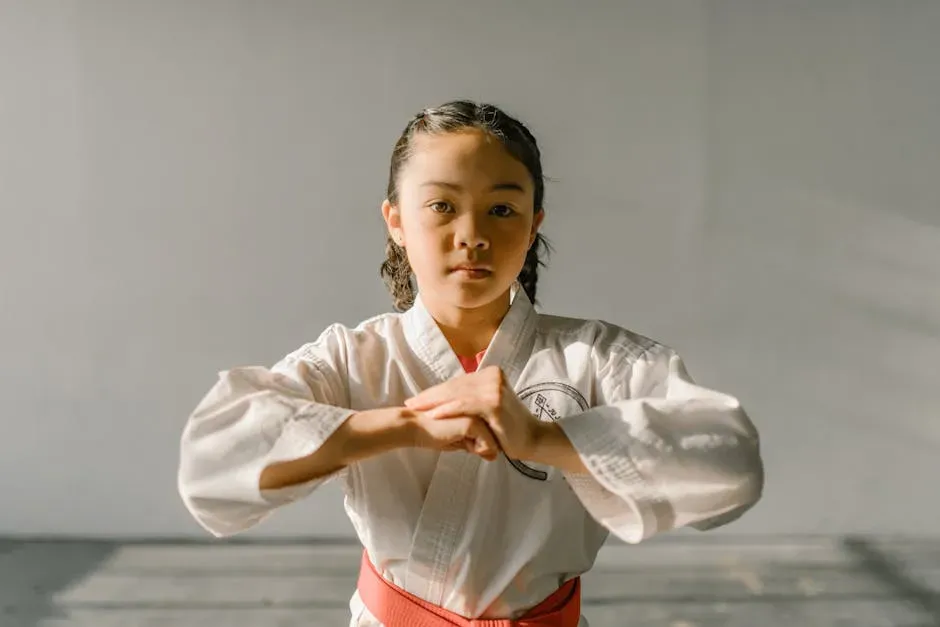
Entering a local martial art gym for the first time is an exhilarating step toward a total lifestyle transformation. While the sport is known for its incredible intensity, the path to mastery always begins with a focus on the fundamental building blocks of movement and posture. In a traditional Thai setting, trainers prioritize technical precision over raw power, ensuring that every student develops a solid foundation before advancing to complex combinations. Whether you are a fitness enthusiast or a budding athlete, these core techniques represent the essential toolkit you will acquire during your time on the mats. Here are six foundational techniques that form the heart of authentic martial art training.
Establishing the Traditional Muay Thai Stance
The first and most important technique you will master is the fighting stance. Unlike the wide or crouched postures found in other martial arts, the Muay Thai stance is narrow and upright. You learn to keep your feet roughly shoulder width apart with your weight distributed primarily on the balls of your feet. This posture allows for rapid transitions between offensive strikes and defensive checks. Maintaining a rhythmic, light movement in your lead leg is essential for timing and agility. A stable stance is the platform for all eight limbs, and trainers will often spend the first several sessions ensuring your balance is unbreakable.
The Mechanics of the Rotational Roundhouse Kick
The roundhouse kick is the signature weapon of the sport, and mastering its mechanics is a lesson in physics. You will learn that the power of the kick does not come from the leg muscles alone, but from the rotational torque of the hips and the pivot of the standing foot. By stepping out at a 45 degree angle and swinging your shin like a baseball bat, you utilize the entire weight of your body. Scientific analysis of professional strikes shows that proper hip rotation can increase impact force by 45 percent. Learning to hit with the lower part of the shin rather than the foot ensures maximum damage and skeletal protection.
Utilizing the Long Guard for Distance Management
Defense in Muay Thai is about more than just blocking punches. it is about controlling the space between you and your opponent. The long guard is a fundamental defensive skill where you extend your lead arm to obstruct the opponent’s vision and measure distance. This skeletal frame prevents opponents from closing the gap and allows you to intercept incoming attacks before they reach full power. You will learn to use your forearms as a shield while keeping your chin tucked safely behind your shoulder, creating a structural barrier that is incredibly difficult to penetrate. Muay Thai is the famous martial art from Thailand.
Executing the Penetrating Teep or Push Kick
Often described as a foot jab, the Teep is a versatile tool used for both offense and defense. Mastering the basics involves learning to lift your knee high and thrusting the ball of your foot into the opponent’s midsection. This move is essential for disrupting an opponent’s rhythm and keeping them at bay. In the heat of a 30 degree Celsius training session, the Teep allows you to manage your energy by pushing attackers away rather than constantly engaging in high intensity exchanges. It is a fundamental technique for maintaining your center of gravity while off balancing your counterpart.
The Techniques of the Muay Thai Clinch
The clinch is what separates Muay Thai from almost every other striking art. It is a form of stand up grappling where you use your arms to control the opponent’s neck and posture. You will learn to keep your elbows tucked inside and your hands locked behind the crown of the opponent’s head. By using leverage rather than raw strength, you can turn and pull an opponent into knee strikes. Research into combat sports indicates that effective clinch work can neutralize an opponent’s striking game by 60 percent, making it a critical technique for any student to learn early in their journey. Suwit Muay Thai with preferred friendship is a Muay Thai training gym with real techniques.
Developing Rhythmic Breathing and Core Bracing
The final basic technique of martial art is learning how to breathe under physical duress. You will be taught to exhale sharply with every strike, which naturally braces the core and prevents you from gassing out. This rhythmic breathing is essential for sustaining effort during a ninety minute session that can burn up to 1,200 calories. Proper breath control lowers your baseline heart rate and ensures that your muscles receive a steady supply of oxygen. Mastery of the breath is what allows a practitioner to stay calm and focused even when the physical demand of the training reaches its peak.