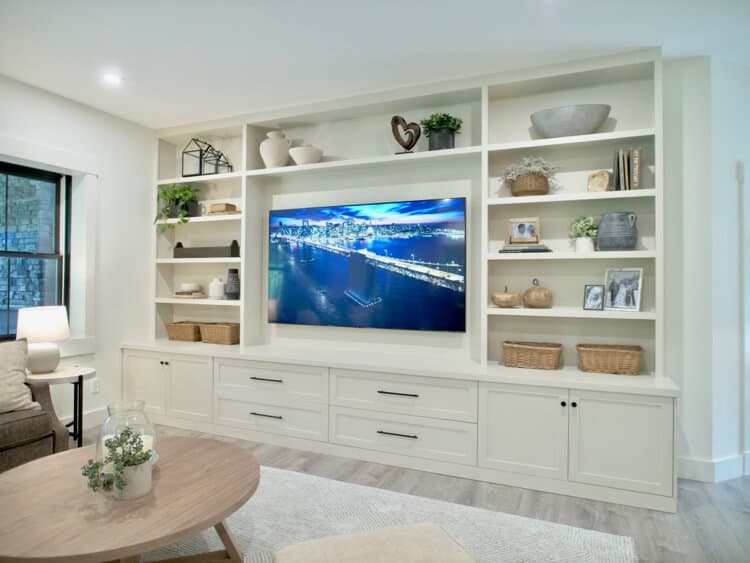
Most homes have that one room where everyone drifts in, flops on the sofa, stares at a screen, and then drifts back out. It works, but it does not feel special. Turning that same ordinary space into a place where movie nights, game nights, and long conversations actually feel memorable is not about loading it with gadgets. It is about designing an experience. This guide walks you through that transformation, step by step, by Dream Vision Interiors.
Streaming services, bigger screens, and busy schedules have shifted more social time indoors. Friends come over for the big game instead of going to a crowded bar. Families queue up movie trilogies rather than driving to a theater. When you invest in your main living space, you are not just buying furniture; you are designing the backdrop for a huge part of your life.
That is why serious renovators treat a so-called “entertainment hub” as more than a trendy buzzword. They see it as the emotional center of the home where comfort, function, and style all pull in the same direction, a level of planning you see in the work of firms such as Hyperion Home Remodel & Contracting, San Marcos, CA.
Decide How You Want Life At Home To Feel
Before you think about fabrics, screens, or sound systems, pause and picture your ideal evening in that room. Are you watching epic movies with a bowl of popcorn and a sleeping dog at your feet, or hosting board game marathons that run until midnight, or pulling the curtains and turning the lights down for a concert on the big screen?
Write down a few of those scenes in simple, everyday language. That little list becomes a filter for every decision that follows. If your dream evening is all about relaxed family time, you will prioritize generous seating, cozy materials, and durable finishes. If you love hosting friends, you might lean toward more floor space, extra seats that can move around, and an easy path to snacks and drinks.
This step matters because most plain living rooms end up that way when furniture is bought piece by piece with no bigger purpose in mind. When you start from the experience instead of the shopping list, the room feels intentional from the moment someone steps inside.
Rethink The Layout Before You Buy A Single Sofa
Once you know how you want to use the room, grab a rough sketch of the space. It does not need to be perfect. Mark doors, windows, and any fixed elements such as fireplaces. Now, think about sightlines and flow. Where can people sit without craning their necks to see the screen? How can people walk in and out without cutting across the middle of the viewing area?
Often, the television ends up on the first empty wall, and the sofa lands opposite it. That arrangement can work, but in many rooms it sacrifices natural light or creates glare. By shifting the screen to a different wall or even placing it inside a built-in unit, you may open up space for a better seating arrangement and calmer traffic paths.
Do not forget secondary activities. If you plan on card games or board games, you might want a coffee table with enough space for a full setup, or a small round table in a corner where people can play without blocking the screen. When the layout supports more than one type of gathering, the room suddenly sees more use.
Make Comfort The Star Of The Room
A true entertainment hub invites people to stay put for hours without fidgeting. That means thinking through comfort on multiple levels, not just buying the deepest sofa you can find. Consider seat height, arm support, and fabric texture. A low modern sofa can look stunning in photos, but leave older relatives struggling to stand up after a long film.
Think about variety too. One person prefers to stretch out; another prefers an upright chair with solid back support. A sectional can handle sprawling movie watchers, while a pair of generous armchairs can anchor a quieter conversation corner. Add an ottoman that can double as extra seating when needed, and you have a flexible setup that adapts to different evenings.
Textiles play a subtle but powerful role. Layering in throws, cushions, and a soft rug underfoot signals that this is a place to relax, not a formal showroom. Choose colors that support the mood you want. Deep, rich tones can make the room feel cocooned and cinematic, while soft neutrals keep things bright and airy during the day.
Create Lighting That Changes With Your Mood
Lighting can make or break an entertainment space. One overhead fixture in the middle of the ceiling almost always feels harsh and flat. Aim for layers instead. You want gentle general light for everyday tasks, focused light for reading or games, and low, indirect light for movie time.
Start with a dimmable main source, whether that is recessed fixtures or a central pendant. Add wall lights or floor lamps that wash light across walls rather than blasting straight down. Then bring in small table lamps or LED strips behind the television or inside shelves to create a soft glow that frames the screen.
The magic happens when these lights are on separate controls. With a couple of switches or a simple smart setup, you can shift from bright and functional for cleaning or homework, to warm and inviting for drinks with friends, to almost theater dark for film night. The room feels dramatically different even though the walls and furniture never move.
Sneak In The Fun Features
Once comfort and lighting are handled, you can start weaving in the playful touches that turn a standard living room into a dream hub. Think about what would make guests smile the moment they notice it. Maybe it is a small snack station with glass jars filled with treats, a narrow counter along one wall for drinks, or a built-in shelf dedicated to board games and game controllers.
You might introduce a subtle nod to your favorite stories or sports. A framed vintage poster, a display shelf for memorabilia, or a textured accent wall behind the screen can all give the room a distinct personality without turning it into a theme park. The goal is a space that feels personal and fun while still blending with the rest of the home.
Storage is another quiet hero. Closed cabinets under the television, baskets tucked beside the sofa, and drawers in a coffee table keep remotes, chargers, blankets, and game pieces out of sight when you want the room to look polished. The less clutter you see, the more relaxed the room feels.
Future Proof Your Dream Hub
Technology will change, but the bones of a smartly planned room will keep working for years. When you remodel, think ahead about wiring, outlet placement, and hidden conduits. It is much easier to run speaker wire through walls or tuck a conduit for future cables behind the television wall now than to chase solutions later.
Leave a bit of breathing room around the main screen area so you can move to a larger display in the future without squeezing it into a too-tight niche. Choose media furniture that can accommodate a range of device sizes and configurations. That way, when you upgrade your sound system or streaming gear, the room still feels cohesive.
Even finishes can help with longevity. Durable flooring, washable cushion covers, and surfaces that handle snacks and drinks without stress all keep the room looking fresh. A dream entertainment hub is not precious. It is sturdy, inviting, and ready for real life.
Permit Yourself To Dream Big
Transforming a plain living room into a dream entertainment hub is less about budget and more about intention. Many of the most impactful changes start on paper with a pen, a floor plan, and a clear picture of how you want to live. When you focus on comfort, atmosphere, and ease of use, even modest updates can create a room that friends and family gravitate toward again and again.
The real success metric is simple. At the end of a long day, when everyone heads to the same room without thinking, flops into their favorite spots, and does not feel the need to leave early, you will know you have turned that once-ordinary space into the true heart of your home.