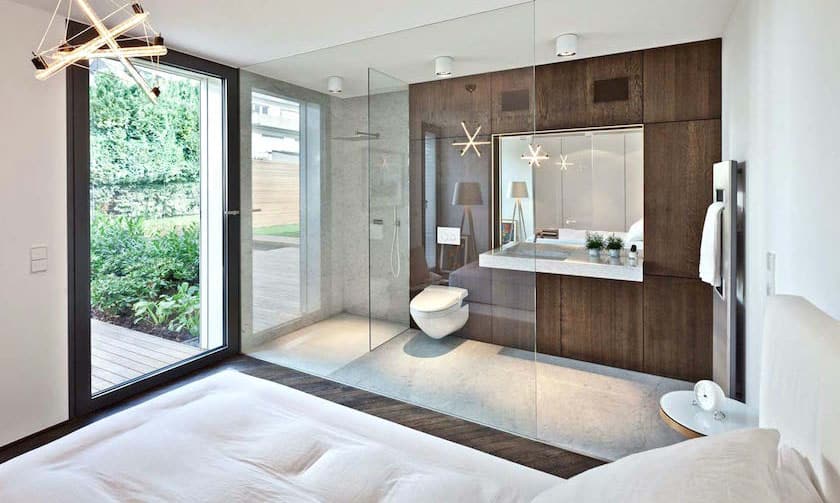
Interiors in 2026 are not trying to impress strangers on the internet first. They are built around the people who live in them, then happen to look great in photos as a bonus. Instead of chasing micro trends, homeowners are looking for spaces that feel grounded, personal, and quietly confident. Social feeds still provide plenty of inspiration, yet the focus has shifted toward rooms that tell a story, age gracefully, and support daily rituals in a very real way, according to TKS Interior Design and Remodeling of Chicago.
From picture perfect to deeply personal
Over the last few years, we saw a lot of copy-and-paste interiors. The same boucle chair, the same beige sofa, the same gallery wall layout. In 2026, that copy-and-paste approach feels tired. People want homes that could only belong to them.
That shift shows up in small choices and big ones. There is more interest in displaying heirlooms, travel finds, and old family photos in unexpected ways. A sideboard might hold a mix of inherited china, flea market glassware, and a favorite childhood toy tucked between them. Books are arranged by meaning instead of color, with dog-eared covers proudly on show.
Instead of buying entire rooms in one shopping trip, more people are layering pieces over time. A new sofa sits next to a vintage lamp, under a painting done by a friend. The result feels collected rather than staged, and it gives a room the kind of charm that cannot be ordered in a single click.
Color that feels like a signature
Color in 2026 still leans warm and comforting, but it is more adventurous than the safe neutrals of a few years ago. Rather than asking what shades are trending, homeowners are asking which colors they actually love being around.
Earthy off-whites and mushroom tones form a soft backdrop, then bolder hues step in where personality is welcome. Deep teal on built-in cabinetry, cinnamon on a dining room ceiling, blackberry on an interior door; touches like these give a home instant character. Color is used thoughtfully, not everywhere at once, so it feels confident rather than chaotic.
One of the strongest moves is what designers often call “color drenching.” A single hue wraps the walls, trim, and sometimes the ceiling. In a small office, that might mean cocooning the room in rich olive. In a bedroom, it could be a smoky blue that shifts with the light throughout the day. This approach creates an atmosphere very quickly and makes even compact rooms feel intentional.
Accent colors are getting more personal, too. Instead of sticking to safe navy and charcoal, people are reaching for saffron, mulberry, moss, and soft coral. The palette tells you something about the people who live there long before they say a word.
Texture, curves, and the new idea of comfort
Comfort is no longer only about a plush sofa. It is about how a room feels to move through and touch. In 2026, texture and shape are doing a lot of the heavy lifting.
Sofas and chairs keep their gentle curves. The hard-edged, boxy silhouettes that once dominated feel a little harsh now. Rounded arms, pebble-shaped ottomans, and sculptural side tables create a sense of flow. They also photograph beautifully, which keeps social media happy without dictating every choice.
Layered textures are everywhere. Think linen drapes that puddle slightly on the floor, nubby wool throws on the sofa, cane or rattan woven into cabinet doors, and honed stone instead of high gloss finishes. Nothing feels precious or too perfect. It is all meant to be used, touched, and enjoyed.
Even kitchen and bath design show this softer mood. Backsplash tiles in handmade finishes, subtly veined stone that looks like it has a story, and hardware with a brushed or antiqued tone all add warmth. When you run your hand along a counter or cabinet, there is a pleasant tactility instead of a cold, flat surface.
Rooms that flex with real life
If the last few years taught us anything, it is that our homes need to work harder. A room rarely has just one purpose anymore. In 2026, the most successful spaces feel beautiful, yet they also shift easily as life demands change.
Living rooms host movie nights, remote work, playtime, and quiet evenings with a book. To keep up, furniture is more multifunctional. Coffee tables lift to laptop height for occasional work sessions. Benches double as extra seating and hidden storage. A console behind the sofa holds power outlets and baskets so devices can be tucked away when it is time to unplug.
Spare bedrooms are rarely only for guests. They serve as hobby rooms, meditation corners, or compact home libraries for most of the year. Clever millwork and space planning make this possible. A wall bed with integrated shelving and a fold-out desk lets one room support very different activities without feeling cramped.
Even dining areas are evolving. Instead of formal rooms that are only used on holidays, people are carving out flexible eating zones where breakfast, homework, and casual dinners all fit. Lighting and seating choices do a lot of the work here. A soft pendant overhead and comfortable chairs transform a simple table into an everyday gathering spot.
Quiet corners and sanctuary spaces
The world feels noisy, and that reality is finally being reflected in how homes are designed. In 2026, there is more emphasis on small sanctuary spaces where people can catch their breath.
This might be a reading nook with a deep chair, a small table, and a single lamp next to a window. It could be a cushion-lined bay where a child curls up with picture books. Some households carve out a corner of the bedroom for a soft rug, a floor cushion, and a tray that holds a journal and a favorite candle.
These small retreats often take advantage of natural light and views. Even if the view is only a tree outside the window or a tiny balcony with potted herbs, it becomes part of the calming effect. Plants, both large and small, remain popular, not just for looks but for the sense of life they bring into a room. A tall fig tree in the living room or a cluster of herbs on a kitchen sill can make a space feel more rooted.
Technology is present but quieter in these areas. Charging drawers and hidden outlets keep cords out of sight. Screens are easier to set aside. The goal is to create a pocket of calm that feels like a deep breath every time you step into it.
Details that feel luxurious without feeling stiff
Luxury in 2026 is less about shiny surfaces and more about thoughtful, sensory detail. Instead of grand gestures that impress visitors, people are investing in small upgrades that improve their daily experience.
Lighting is one of the clearest examples. Layered lighting plans are becoming standard, with a mix of overhead fixtures, wall lights, and table lamps. Dimmers appear in almost every room, allowing the mood to shift from bright and functional in the morning to soft and restful in the evening. Decorative fixtures act like jewelry, adding personality without dominating the space.
Textiles play a similar role. A bed layered with crisp sheets, a substantial duvet, and a beautifully woven blanket communicates quiet luxury. In living rooms, pillows are fewer but better chosen, with interesting fabrics and trims rather than piles of identical cushions.
Scent, sound, and touch are treated as design elements as well. A favorite playlist through decent speakers, the faint smell of a candle or essential oil, and the feel of a smooth door handle all contribute to an overall sense of care. None of it screams for attention; it simply makes being at home feel more pleasant.
Bringing it all together in your own home
The most important interior design trend of 2026 is real clarity about what you want your home to do for you. Trends help spark ideas, yet the spaces that genuinely resonate are the ones built around your habits, your history, and your sense of comfort.
That might mean painting a dining room in a color that reminds you of a favorite vacation, keeping a slightly battered armchair because it has seen every chapter of your life, or investing in custom storage so the daily mess has a place to go. It might mean mixing a few trend-forward pieces with items you have owned for years, rather than replacing everything in one sweeping makeover.
When you approach your home this way, it naturally feels more timeless. A well-loved object still looks right next to a new purchase. Colors and textures blend instead of fighting for attention. The overall feeling is not that you followed a checklist, but that your home grew into a version of you that feels right in this moment and still has room to evolve.
If you keep that mindset at the center of every design decision, the trends of 2026 become a toolkit rather than a rulebook. Your home will not just look current; it will feel like a place you genuinely belong.