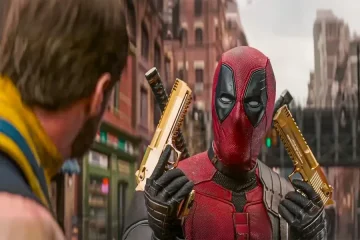
In the last two decades, the cinematic landscape has undergone a dramatic transformation. The superhero genre, once considered niche and reserved for comic book enthusiasts, has become the dominant force in Hollywood. From box office juggernauts to cultural phenomena, superhero movies have reshaped the entertainment industry and the way audiences engage with film. But what exactly is fueling this dominance? Why are superhero movies dominating Hollywood in such a profound way?
The Perfect Blend of Spectacle and Storytelling
One of the primary reasons superhero movies reign supreme is their unique combination of spectacle and storytelling. They offer larger-than-life visuals—explosions, epic battles, high-tech gadgets—that captivate audiences seeking escapism. At the same time, they root their stories in universal human experiences: identity, sacrifice, love, and loss.
Consider Christopher Nolan’s The Dark Knight trilogy, which transcended its comic book origins to become a critical and commercial success. It balanced thrilling action sequences with complex moral questions, drawing in audiences beyond the traditional fan base. This blend of visceral excitement and emotional depth makes superhero movies universally appealing.
Built-in Fanbases and Cultural Nostalgia
Another factor driving the genre’s dominance is the pre-existing fanbases. Comic book heroes like Spider-Man, Batman, and the Avengers have decades of history and legions of devoted followers. When studios announce a new superhero film, they’re not starting from scratch; they’re tapping into an established market hungry for fresh interpretations of beloved characters.
Nostalgia plays a key role here. For many, superheroes are a link to childhood memories—reading comics under the covers, dressing up as favorite heroes for Halloween, or playing with action figures. Seeing these icons brought to life on the big screen offers a potent dose of nostalgia that few other genres can match.
Shared Universes and Long-Form Storytelling
Perhaps the most innovative—and profitable—development in the superhero genre is the concept of the shared universe. Marvel Studios pioneered this approach with the Marvel Cinematic Universe (MCU), interconnecting standalone films into an overarching narrative that culminates in epic team-ups like Avengers: Endgame.
This strategy has fundamentally changed how audiences consume movies. Watching a single superhero film is no longer a standalone experience—it’s part of a larger, interconnected saga. Fans are incentivized to watch every installment to fully appreciate the overarching story, driving repeat viewership and building anticipation.
The success of the MCU has prompted other studios to follow suit, with varying degrees of success. DC’s Extended Universe, while rocky, has found its footing with films like Aquaman and Wonder Woman. This interconnected approach mirrors the serialized nature of comic books, making the jump to film feel both natural and exciting.
Advances in Technology and Visual Effects
Superhero movies thrive on spectacle, and the evolution of visual effects technology has made it possible to bring even the most outlandish powers and worlds to life. Gone are the days when practical effects or rudimentary CGI limited what filmmakers could show on screen.
Today’s VFX wizards can create entire cities, alien planets, and gravity-defying feats that look photorealistic. Think of Thanos’ chillingly lifelike appearance in Avengers: Infinity War—a technological marvel that would have been impossible even a decade earlier.
These advances allow directors to stay true to the imaginative roots of superhero stories, pushing the boundaries of what’s possible and keeping audiences on the edge of their seats.
Star Power and A-List Talent
Once seen as a playground for B-list actors, superhero films now attract the biggest names in Hollywood. Robert Downey Jr.’s career resurgence with Iron Man set a new precedent, proving that superhero movies could offer meaty roles and critical acclaim.
Since then, A-listers like Benedict Cumberbatch, Scarlett Johansson, and Michael B. Jordan have donned capes and masks, bringing gravitas and charisma to their roles. Directors once known for indie dramas—such as Taika Waititi (Thor: Ragnarok) and Ryan Coogler (Black Panther)—have also found creative freedom and massive success within the genre.
This influx of top-tier talent has elevated superhero movies from popcorn flicks to serious cinematic achievements, blurring the lines between blockbuster and prestige film.
Diversity and Representation
Superhero movies have also become a platform for diversity and representation, attracting audiences who crave stories that reflect the world they live in. Black Panther broke barriers by celebrating African culture and featuring a predominantly Black cast, becoming both a critical and commercial triumph.
Similarly, Wonder Woman empowered female audiences with its portrayal of a strong, independent heroine, inspiring a new generation of young girls. Films like Shang-Chi and the Legend of the Ten Rings and Spider-Man: Into the Spider-Verse have continued this trend, proving that diverse stories resonate with global audiences.
By championing inclusivity, superhero movies have tapped into broader cultural conversations, making them not just entertainment but important social touchstones.
Marketing Powerhouses
No discussion of superhero dominance would be complete without mentioning their marketing prowess. Studios invest heavily in promotional campaigns that span traditional media, social media, merchandise, and brand partnerships.
Fans eagerly anticipate trailers, Easter eggs, and behind-the-scenes interviews. Exclusive sneak peeks at Comic-Con or fan events generate buzz months—or even years—before a film’s release. This marketing machine ensures that superhero movies remain at the forefront of pop culture conversations, driving ticket sales and merchandise revenues alike.
Escapism in Uncertain Times
In a world often filled with uncertainty, superhero movies offer a comforting dose of escapism. They transport audiences to fantastical worlds where good triumphs over evil, heroes overcome impossible odds, and the day is ultimately saved.
During challenging times—economic downturns, political unrest, or even a global pandemic—audiences turn to superheroes for hope, inspiration, and entertainment. These films remind us of the resilience of the human spirit and the possibility of a better tomorrow, even if it’s just for two hours in a darkened theater.
Merchandising and Cross-Media Appeal
Superhero movies aren’t just films—they’re brands. Studios leverage these properties across toys, video games, clothing, theme parks, and more. A single movie can spawn billions in merchandise sales, from action figures to lunchboxes to LEGO sets.
This cross-media appeal cements superheroes in the cultural consciousness, ensuring that they remain relevant long after the credits roll. It’s a synergistic model that few other genres can replicate on such a massive scale.
Conclusion: The Age of the Superhero
Superhero movies dominate Hollywood not by accident but by design. They blend cutting-edge technology with timeless storytelling, feature star-studded casts, and tap into deep wells of nostalgia and cultural relevance. Their shared universes and interconnected narratives keep audiences engaged, while their marketing power ensures they stay top-of-mind.
But perhaps most importantly, superhero movies reflect our collective dreams and fears. They ask big questions about power, responsibility, identity, and justice—all while thrilling us with jaw-dropping action and unforgettable heroes.
In an era where the world feels increasingly complex, superhero movies provide clarity—a reminder that even in the darkest times, heroes can rise. As long as audiences crave stories of hope, heroism, and adventure, the reign of superhero movies is likely to continue. And in Hollywood, that’s a box office formula that’s hard to beat.