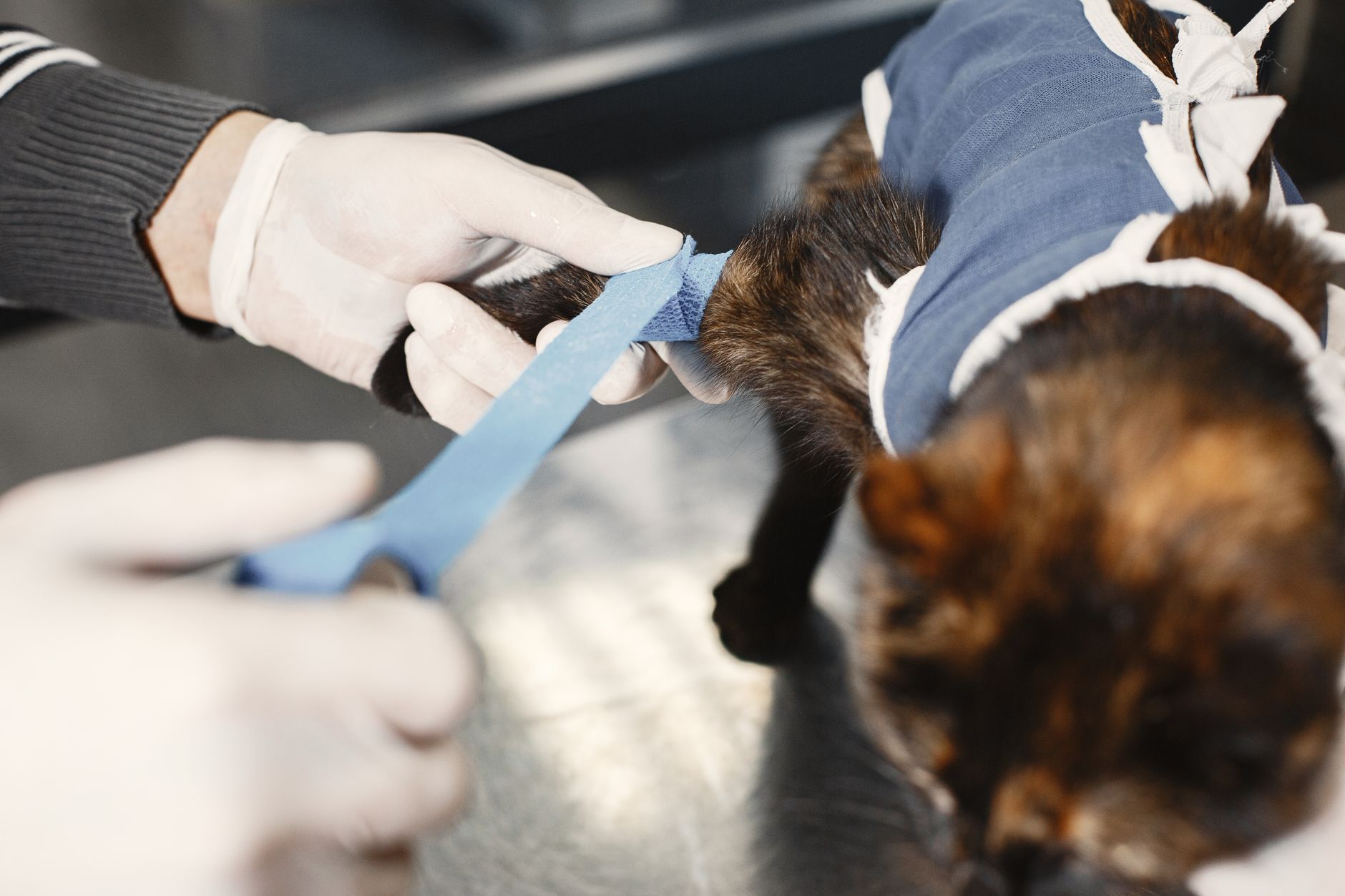
You brought your pet home, cleared your schedule, set alarms for medication, and tried to do everything right after arranging spay and neuter services in Ozark. Then something starts to feel off. Maybe your dog is more tired than expected, your cat will not eat, or the incision looks different today than it did yesterday. That uneasy feeling is hard to shake because recovery is rarely neat, and you are left trying to decide what is normal healing and what is a problem.
Some ups and downs are expected after surgery, illness, or injury. Some are not. The hard part is that trouble often starts small, with a skipped meal, a restless night, a little swelling, or a change in breathing that only seems obvious once you have been watching for hours. When you know the signs that your pet’s recovery isn’t going as planned, you can act sooner and avoid a much bigger emergency.
If your pet is getting worse instead of better, seems painful, stops eating or drinking, has vomiting or diarrhea, struggles to breathe, or has changes at the surgical site, contact a veterinary clinic right away. If the symptoms are severe, seek emergency care without waiting.
Recovery is supposed to move in the right direction, even if progress is slow. Your pet may sleep more, need extra help getting around, or have a lower appetite for a day or two. What should not happen is a steady slide backward. If your pet was walking a little yesterday and today refuses to stand, or was eating small meals and now will not touch food, that shift matters.
One of the clearest warning signs is pain that is not controlled. A pet in pain may pant, pace, hide, tremble, whine, growl when touched, or refuse to lie down comfortably. Cats often get quieter rather than louder, which makes pain easy to miss. If medication does not seem to help, or your pet seems more distressed before the next dose is due, the treatment plan may need to change.
Another sign is a drop in appetite or water intake. Missing one meal may not be serious for every pet, but ongoing refusal to eat or drink can quickly lead to weakness, dehydration, and poor healing. This is especially concerning in cats, senior pets, and animals recovering from anesthesia or dental work. Post anesthesia recovery guidance often notes mild grogginess is common, but prolonged lethargy, vomiting, or refusal to eat deserves a call.
Vomiting, diarrhea, and breathing changes can signal a setback
A single episode of vomiting may happen after medication, stress, or anesthesia. Repeated vomiting is different. So is diarrhea that lasts more than a day, contains blood, or comes with weakness. These signs can point to medication reactions, infection, dehydration, or a deeper complication. If your pet cannot keep water down, waiting it out can make things worse fast.
Breathing changes deserve even more caution. Labored breathing, open mouth breathing in cats, persistent coughing, blue or pale gums, or a breathing rate that seems faster than normal at rest should never be brushed off as anxiety. You know your pet’s normal rhythm. If they look like they are working to breathe, treat it as urgent. The AVMA lists several animal emergencies that require immediate veterinary care, and breathing trouble is high on that list.
This is where many owners get stuck. You do not want to overreact, but you also do not want to miss the moment when routine recovery turns into a medical problem. That tension is real, especially when you are tired and trying to follow discharge instructions exactly.
Incision problems and behavior changes often point to complications
The surgical site tells you a lot. Mild redness and slight swelling can be normal early on. A bad smell, pus, heat, increasing redness, opening of the incision, or active bleeding are not normal. Excess licking and chewing can also create problems quickly, even if the incision looked fine that morning.
Behavior changes matter too. A normally social dog that hides in a corner, or a cat that stops grooming and will not leave the bed, may be telling you something is wrong before physical symptoms become obvious. Restlessness at night, confusion, sudden aggression, or unusual clinginess can all be part of a pet recovery warning signs pattern that deserves attention.
If you were sent home with care instructions, follow them closely and check them again if anything seems off. These post treatment and post surgery instructions can help you sort out what is expected and what should trigger a call.
Normal healing and concerning symptoms are not the same thing
| Recovery Change | Often Expected | Call a Veterinary Clinic |
| Energy level | Sleepier than usual for 24 to 48 hours | Extreme lethargy, collapse, worsening weakness |
| Appetite | Smaller meals for a short period | Refuses food for more than a day, will not drink, repeated nausea |
| Incision appearance | Mild swelling or slight pinkness | Discharge, bad odor, heat, opening, heavy redness, bleeding |
| Bathroom habits | Minor short term change after stress or anesthesia | Repeated vomiting, persistent diarrhea, blood, straining to urinate |
| Breathing | Calm, even breathing while resting | Fast breathing, effort, wheezing, open mouth breathing, pale gums |
| Pain response | Mild soreness that improves with medication | Crying, pacing, trembling, hiding, unable to settle, pain getting worse |
Three steps to take when your pet is not healing well
Track the change clearly. Write down when the symptom started, what it looks like, and whether it is getting worse. Note eating, drinking, urination, bowel movements, medication times, and behavior. A short video of breathing changes, limping, or restlessness can help your veterinary team assess the situation faster.
Check the instructions and limit activity. Recovery problems often get worse when pets jump, lick, run, or miss medication. Recheck the discharge sheet, use the cone or recovery suit if advised, and keep your pet quiet until you speak with the clinic. If your pet seems painful or unstable, do not force walking or feeding.
Call early, not late. If you are seeing signs your pet is not healing properly, contact a veterinary clinic before the issue becomes harder and more expensive to treat. Describe the symptoms directly. If your pet has trouble breathing, collapses, has uncontrolled bleeding, or cannot urinate, seek emergency help right away.
Prompt care can get recovery back on track
You are not overthinking this by paying close attention. Recovery can change quickly, and early action often makes treatment simpler and safer. If something feels wrong, trust that instinct and get your pet checked. A veterinary clinic can tell you whether the healing process is still on course or whether your pet needs urgent care.
Your pet does not need you to guess perfectly. They need you to notice when recovery is moving in the wrong direction and respond. That alone can make all the difference.