You want a brighter, straighter, more polished smile, but everyday life has a way of getting in the middle. Maybe you have stains that keep coming back, gums that bleed when you brush, or old dental work that makes you hide your teeth in photos. That frustration is real. Most people think cosmetic changes start with whitening, veneers, or bonding. They usually start somewhere less exciting and far more important, with better oral health at a trusted dental practice in Los Angeles.
A healthy mouth gives cosmetic treatment a fair chance to last and look natural. If plaque, gum inflammation, decay, or grinding are already causing trouble, cosmetic work can end up looking uneven, failing early, or costing more to fix later. Cosmetic dental goals are easier to reach when your teeth and gums are stable first.
Healthy gums shape every cosmetic result
If your gums are swollen, tender, or receding, even beautiful teeth can look off. Gum tissue frames your smile. When that frame is uneven or inflamed, whitening and bonding do not stand out the way you hoped. You may notice one tooth looks longer than another, or your smile seems tired even after cleaning.
Bleeding gums often get brushed off because they do not always hurt. The problem is that gum disease tends to move quietly. It can lead to recession, bad breath, loose teeth, and changes in how your smile sits on your face. A general and cosmetic dentist will usually want to calm inflammation before moving into elective cosmetic work. That is not a delay for the sake of delay. It protects your result.
Whiter teeth depend on a cleaner surface
Stains are not all the same. Some sit on the surface from coffee, tea, wine, or tobacco. Others settle deeper into the tooth. If plaque and tartar are covering the enamel, whitening products may work unevenly, leaving patchy areas that draw more attention instead of less.
That is why cleanings matter. Removing buildup first gives whitening a more even starting point. Daily habits matter too. The CDC’s oral health tips for adults recommend brushing twice a day with fluoride toothpaste, cleaning between teeth, and keeping up with dental visits. Those basics are not cosmetic treatments, but they support nearly every smile upgrade you want.
Straighter looking teeth need a stable foundation
Some people want full orthodontic treatment. Others want minor reshaping, bonding, or veneers to make teeth appear straighter. Both paths depend on healthy bone and gums. If teeth are shifting because of gum disease or untreated decay, covering the problem does not solve it. It hides it for a while, then the cosmetic result starts to break down.
You might be thinking the issue is just one crooked front tooth. Then your dentist finds wear from grinding, plaque trapped in crowded spaces, or inflammation around the gumline. That changes the plan. A better foundation often means a better cosmetic result with fewer surprises.
Fresh breath and a cleaner smile usually come from the same habits
Bad breath can make you feel self conscious long before anyone notices a stain or chip. It often comes from plaque, gum disease, dry mouth, food trapped between teeth, or untreated cavities. Cosmetic improvements can help appearance, but they do not fix odor caused by bacteria and infection.
Good oral hygiene has a direct effect on both. The National Institute of Dental and Craniofacial Research guidance on oral hygiene explains that brushing, flossing, and regular care help control the bacteria that cause decay and gum disease. That means a mouth that looks cleaner often feels and smells cleaner too.
Repairing chips, wear, and uneven edges starts with finding the cause
A chipped tooth is easy to label as a cosmetic issue. Sometimes it is. Sometimes it is a sign of grinding, bite problems, acid erosion, or weakened enamel. If the cause is still active, repairing the tooth without addressing the source can lead to repeat damage.
This is where smile enhancement goals meet practical dentistry. Bonding and contouring can smooth edges and restore symmetry, but they hold up better when your bite is stable and your enamel is protected. The same goes for replacing old fillings that show when you smile. Cosmetic updates look better and last longer when the surrounding teeth are healthy.
Home care and professional care do different jobs
People often try to fix cosmetic concerns at home first. Whitening strips, charcoal pastes, whitening pens, hard brushing, online aligners, and social media tips can feel cheaper and faster. Sometimes they help a little. Sometimes they create sensitivity, gum irritation, or uneven results that take more time to correct.
|
Goal |
At Home Approach |
Professional Approach |
What Matters Most |
|
Whiter teeth |
Whitening toothpaste or strips |
Exam, cleaning, then guided whitening |
Even results depend on clean enamel and healthy gums |
|
Healthier gums |
Better brushing and flossing |
Cleaning, gum evaluation, targeted treatment |
Bleeding and recession need more than cosmetic products |
|
Straighter appearance |
Cosmetic contouring ideas found online |
Bite check, orthodontic or cosmetic planning |
Tooth movement and wear need a stable foundation |
|
Fresher breath |
Mouthwash and mints |
Diagnosis of gum disease, decay, or dry mouth |
Masking odor is different from treating the cause |
For broader background on prevention, treatment, and common dental conditions, MedlinePlus dental health resources offer reliable patient friendly information.
Better oral health makes cosmetic dentistry more predictable
That is the part many people miss. oral health and cosmetic dentistry are not separate tracks. They support each other. When inflammation is down, decay is treated, and daily care is consistent, color matches better, gumlines look cleaner, and restorations sit more naturally. You spend less time chasing fixes and more time enjoying the result.
A good cosmetic plan also protects function. Teeth need to bite comfortably, clean easily, and stay strong under daily pressure. A smile that only looks good for a few months is not much of a win.
Three steps you can take right now
1. Get honest about the real problem. If your goal is a better looking smile, write down what bothers you most. Is it color, shape, spacing, gums, old fillings, or breath. That helps separate cosmetic wants from health issues that may be driving them.
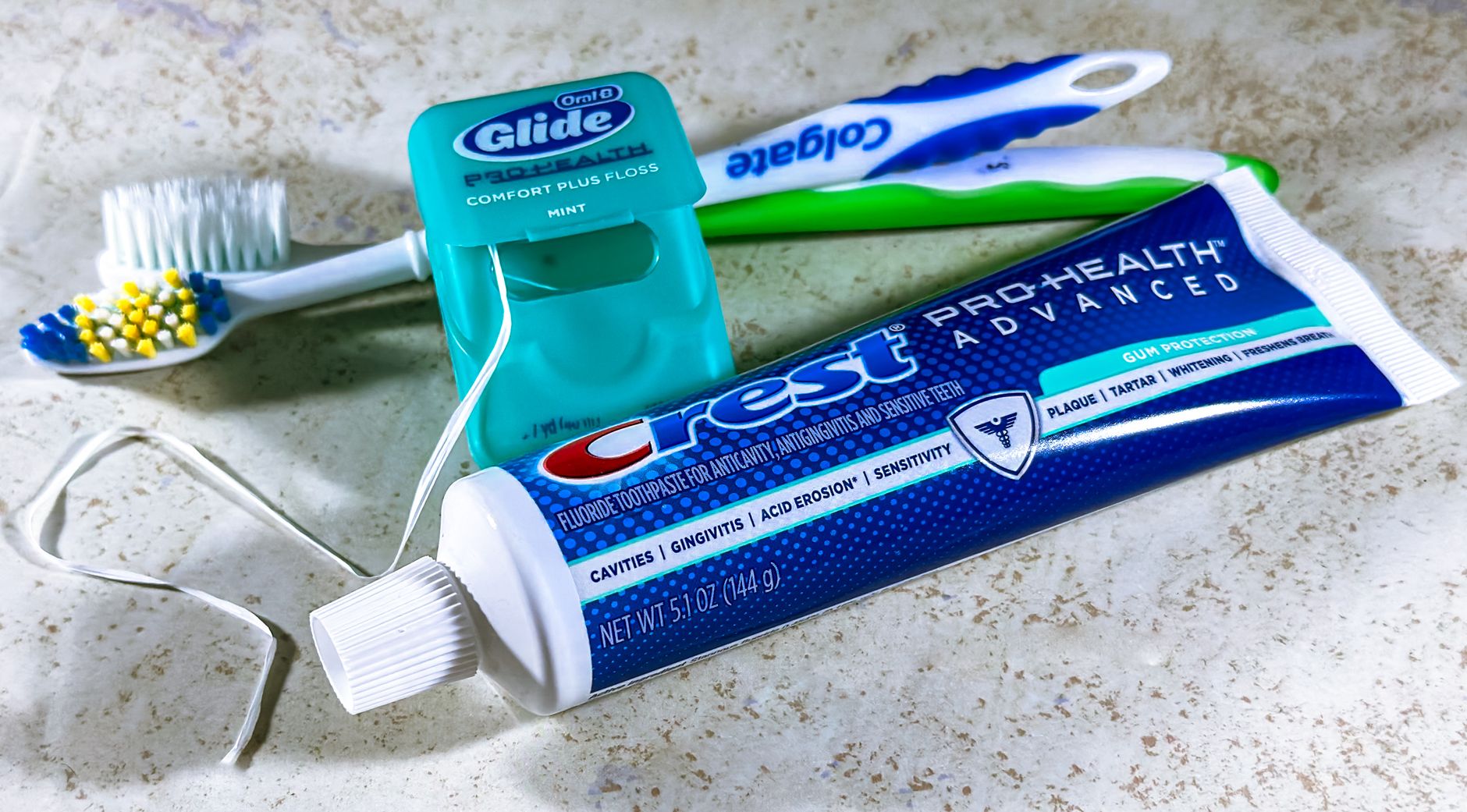
2. Tighten your daily routine. Brush twice a day with fluoride toothpaste, clean between your teeth every day, and replace habits that work against you, like aggressive brushing or frequent sugary drinks. This is the fastest way to support any cosmetic dentist treatment you may want later.
3. Book a dental exam before choosing a cosmetic fix. An exam can catch gum disease, cavities, grinding, or bite problems that change the best treatment path. What looks like a simple whitening case may need a cleaning first. What seems like one chipped tooth may be part of a bigger wear pattern.
You do not need a perfect mouth to start. You need a clear picture of what is happening and a plan that puts health first. That is how the seven goals people ask for most, whiter teeth, healthier gums, fresher breath, straighter appearance, smoother edges, balanced symmetry, and longer lasting results, become much more realistic. Better oral health is not a separate goal from a better smile. It is where the better smile begins.