You might be doing the basics, brushing before work, flossing when you remember, and showing up for cleanings when life allows, yet still feel uneasy about your smile. Maybe your teeth are healthy enough, but small chips, stains, or crowding make you hold back in photos or cover your mouth when you laugh. That tension is real, especially in young adulthood, when first impressions, job interviews, dating, and daily confidence can all seem tied to how your smile looks, which is why finding the right dentist in North Scottsdale can make such a meaningful difference.
There is good news here. Preventive care and cosmetic treatment do not have to compete. In many cases, they work best together. When you understand how cosmetic dentistry can complement preventive care for young adults, you can make choices that protect your teeth while also improving how you feel about them. The goal is not perfection. It is a smile that is healthy, easier to maintain, and more comfortable to live with.
Why can cosmetic dentistry and preventive care support each other?
It is easy to think of prevention as one lane and appearance as another. Preventive care means exams, cleanings, fluoride, home hygiene, and catching problems early. Cosmetic care sounds more optional, more about looks than function. But the line is often thinner than it seems.
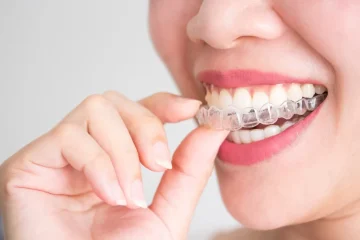
Take a young adult with crowded front teeth. They may brush well, but tight spaces can trap plaque and make flossing harder. Over time, that can raise the risk of cavities or gum irritation. In a case like that, a cosmetic focused treatment such as clear aligners may also support prevention by making the teeth easier to clean. Or think about a worn or chipped tooth. Restoring it can improve the smile, but it can also help protect the tooth from further damage.
Because of this overlap, esthetic dental care for young adults is often not just about appearances. It can remove barriers that make good oral hygiene harder to keep up with. According to the CDC’s oral health tips for adults, daily brushing, flossing, and regular dental visits remain the foundation. Cosmetic options can build on that foundation when they are chosen with care.
What problems can happen when looks and prevention are treated separately?
If you focus only on appearance, you may miss signs of decay, gum disease, or grinding. Whitening over untreated sensitivity, for example, can leave you more uncomfortable than before. Veneers or bonding placed without addressing bite issues may not last as well as you hoped. On the other hand, if you focus only on prevention and ignore concerns about your smile, you might avoid photos, social events, or dental visits because of embarrassment. That can lead to delays in care, which often makes treatment more expensive and more stressful later.
So, where does that leave you? Usually in a place where balance matters. A family and cosmetic dentist can look at both health and appearance at the same time. That means checking for cavities, gum inflammation, enamel wear, and bite problems before recommending cosmetic changes. It also means talking honestly about what bothers you, even if it seems minor.
This matters because some conditions that affect how your smile looks can point to deeper issues. Tooth discoloration may come from diet, smoking, medications, or enamel changes. Small cracks may come from clenching. Gum recession can change your smile and signal brushing habits that need to be adjusted. The MedlinePlus overview of tooth disorders helps show how many dental concerns involve both function and appearance.
Which cosmetic options often work well with preventive dental care?
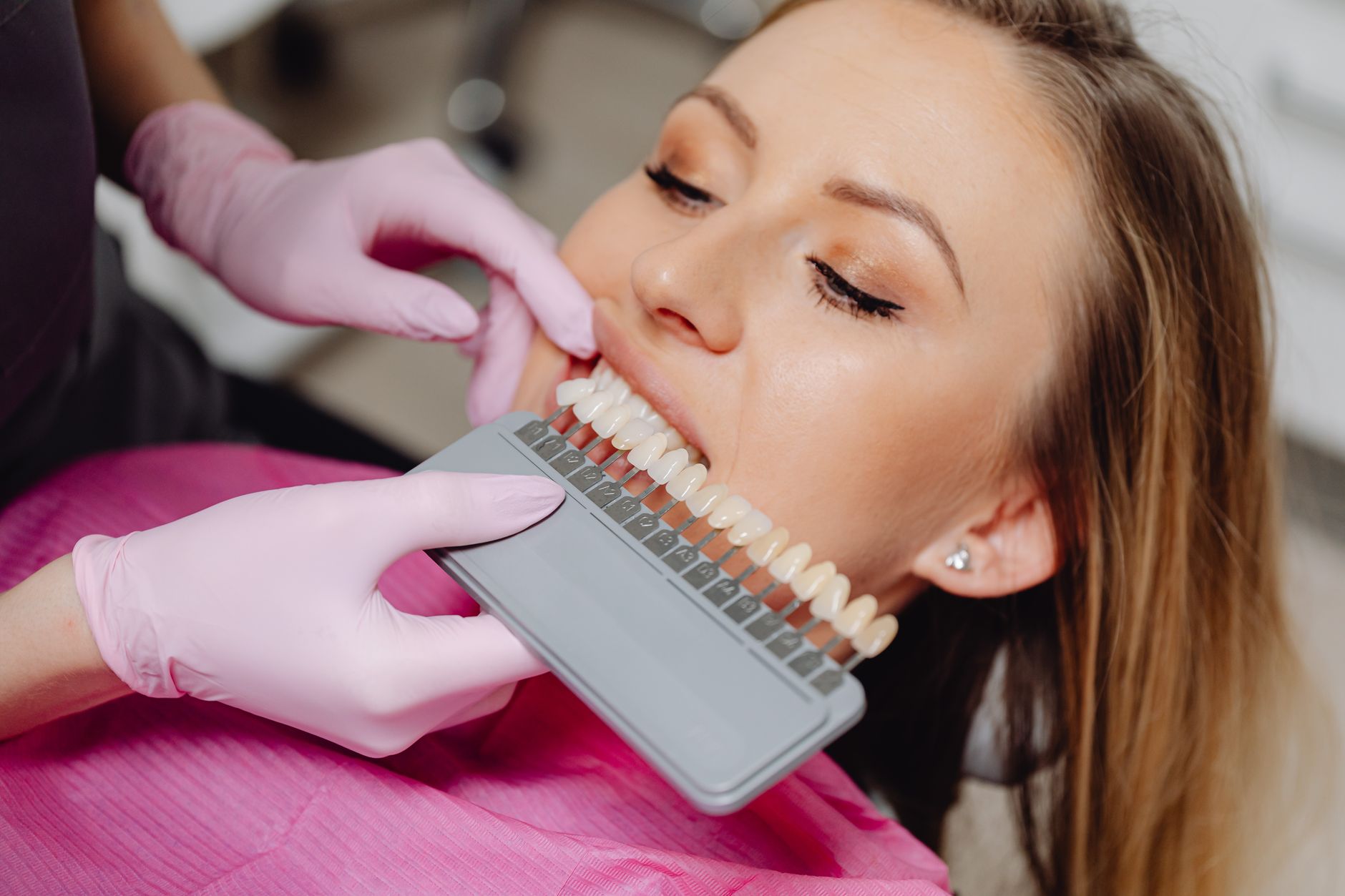
Not every treatment fits every person, but a few options often pair well with prevention. Professional whitening can be a reasonable choice when your teeth and gums are healthy and you want to remove surface or age related stains. Bonding can repair small chips that might otherwise catch or wear more over time. Clear aligners can improve spacing and make daily cleaning easier for some patients. Contouring or reshaping may smooth rough edges that bother your bite or collect plaque.
The key is timing. Before any cosmetic work, your dentist should look at oral hygiene habits, gum health, and untreated decay. The National Institute of Dental and Craniofacial Research oral hygiene guidance reinforces that healthy daily habits come first. Cosmetic care tends to work best when it starts from a stable, healthy base.
How do preventive care and cosmetic treatment compare in daily life?
Sometimes it helps to see the difference clearly. One supports your oral health at the root. The other may improve appearance while also helping function in selected cases. Together, they can be stronger than either one alone.
|
Approach |
Main Goal |
Common Examples |
How It Helps Young Adults |
|
Preventive care |
Stop problems before they worsen |
Cleanings, exams, fluoride, sealants, night guards, home care |
Lowers risk of cavities, gum disease, and costly treatment later |
|
cosmetic dental care |
Improve smile appearance and, at times, support function |
Whitening, bonding, clear aligners, contouring, veneers |
Builds confidence and may make teeth easier to clean or protect damaged areas |
|
Combined approach |
Protect health while improving appearance |
Exam first, then tailored cosmetic treatment after issues are addressed |
Creates a plan that feels practical, personal, and easier to maintain |
What can you do right now if you want a healthier and better looking smile?
1. Start with an honest dental checkup. If you are thinking about whitening, bonding, or aligners, ask for a full exam first. You want to know whether there is decay, gum inflammation, grinding, or sensitivity that should be treated before cosmetic work begins.
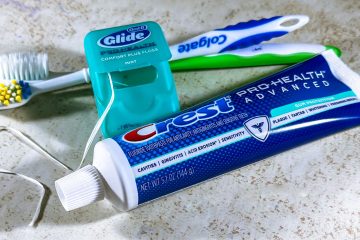
2. Pay attention to the habits behind the smile. Brush twice a day with fluoride toothpaste, floss daily, and be mindful of soda, energy drinks, and frequent snacking. If you grind your teeth or wake up with jaw soreness, bring it up. Cosmetic results last longer when the habits underneath them are solid.
3. Choose goals, not trends. Ask yourself what actually bothers you. Is it one stained tooth, a chipped edge, or crowding that makes flossing hard? A focused plan is often more affordable and more useful than chasing a dramatic change you may not need.
What does this mean for your next step?
You do not have to choose between a healthy smile and one you feel good sharing. For many young adults, the best path is a thoughtful mix of prevention and appearance based care. When treatment is planned well, cosmetic improvements can support easier cleaning, better protection, and more confidence in daily life.
If you have been putting off care because you are unsure where to start, begin with a conversation about both health and appearance. A family and cosmetic dentist can help you sort out what is necessary now, what can wait, and what may help you feel more at ease every time you smile.