You might be feeling a mix of worry and confusion right now. Maybe your child’s front teeth are not coming in the way you expected, or maybe a dentist mentioned a tooth hiding between the front teeth and suddenly you had a new word to learn. A mesiodens can sound alarming at first, especially when it affects a child’s smile, speech, or the path of adult teeth. The good news is that a pediatric dentist in West Los Angeles knows how to assess the situation carefully, look at timing, and decide whether watchful waiting or treatment makes the most sense.
When people ask about How Pediatric Dentists Evaluate A Mesiodens Between The Front Teeth, what they usually want to know is simple. Is it serious, what tests are needed, and what happens next? In many cases, the process includes a clinical exam, dental imaging, and a decision about whether the extra tooth is blocking normal eruption, causing spacing issues, or creating other problems. That measured approach helps protect your child’s comfort and long term dental development.
What is a mesiodens, and why does it get so much attention?
A mesiodens is an extra tooth that forms between the upper front teeth. You may also hear it called a supernumerary tooth between the incisors. Some mesiodens teeth erupt into the mouth where you can see them, while others stay impacted under the gums. Because this area is small and important for appearance and bite, even one extra tooth can change how permanent teeth come in.
So, why does that matter so much? If a mesiodens sits in the wrong spot, it can delay eruption of a permanent front tooth, push nearby teeth out of line, create a gap, or in some cases lead to crowding or rotation. For one child, it may be found by chance on an X ray with no symptoms at all. For another, it may explain why one front tooth has still not appeared months after the other.
This is where a pediatric dentist mesiodens evaluation becomes important. The goal is not just to identify the extra tooth. The goal is to understand how it is affecting growth right now and what it may do later if left alone.
How do pediatric dentists check an extra tooth between front teeth?
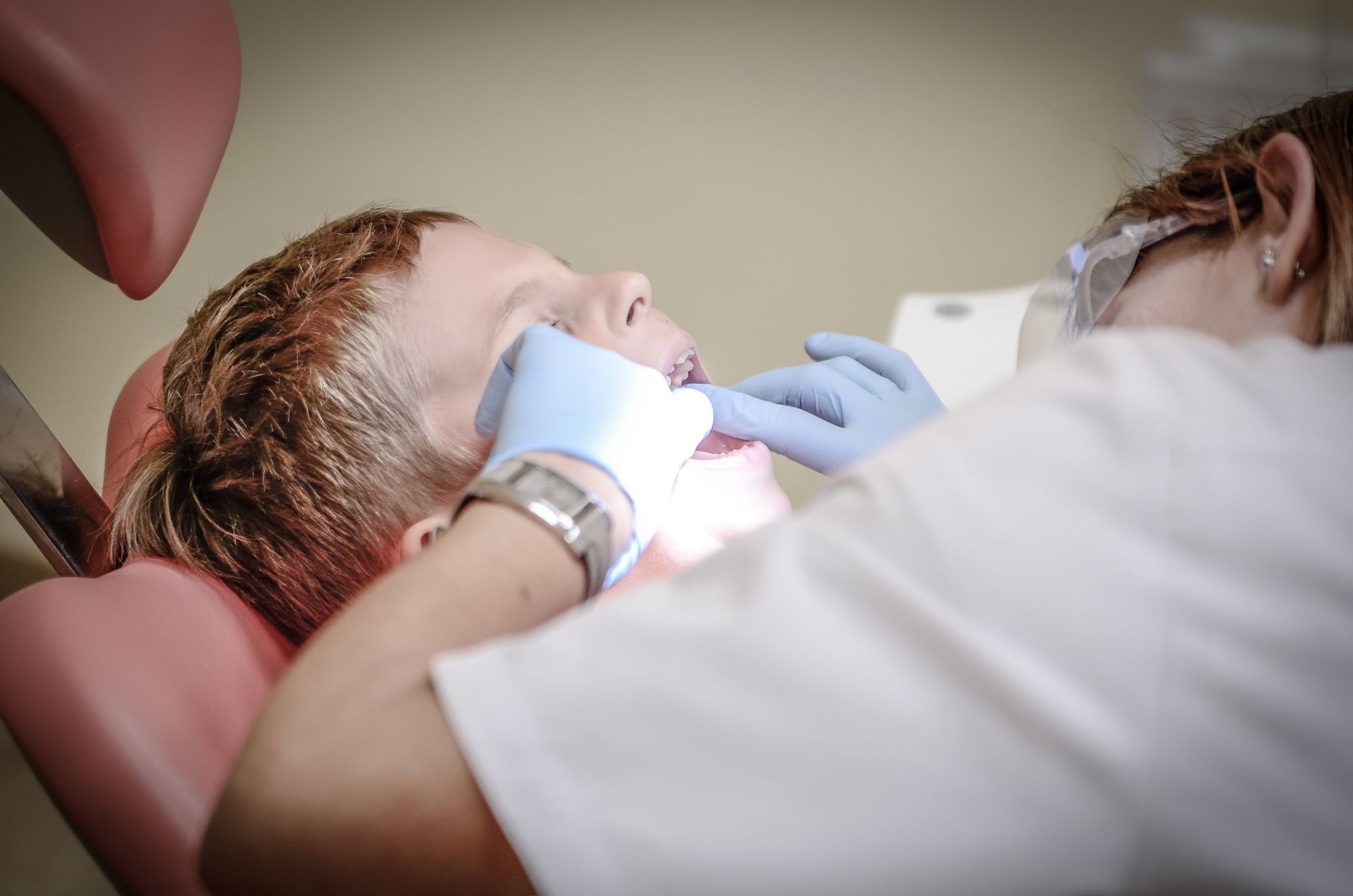
The first step is usually a careful exam. A pediatric dentist looks at eruption patterns, spacing, symmetry, and whether the gums show any sign that a tooth is trapped underneath. If your child has one front permanent tooth in place and the other is missing, that detail matters. If there is a visible small tooth in the middle, that matters too.
Because what you can see is only part of the story, imaging often comes next. X rays help show the position, shape, and direction of the mesiodens, along with how close it is to the roots of nearby teeth. In some cases, more detailed imaging may be considered if the location is hard to judge. This helps answer practical questions. Is the extra tooth upright or inverted? Is it blocking eruption? Are there signs of damage to nearby teeth?
That kind of planning is supported by guidance from the American Academy of Pediatric Dentistry on the management of the developing dentition and occlusion in pediatric dentistry. If removal is being considered, pediatric dentists also weigh age, cooperation, root development, and surgical factors using principles outlined in management considerations for pediatric oral surgery and oral pathology.
When do dentists monitor a mesiodens, and when do they recommend treatment?
This is often the hardest part for parents, because there is no one answer that fits every child. If the mesiodens is not causing trouble, the dentist may recommend monitoring it over time. That can feel strange when you have just learned there is an extra tooth, but timing matters in children. Taking action too early or too late can affect nearby developing teeth.
On the other hand, treatment may be recommended if the mesiodens is blocking a permanent tooth, changing eruption, causing displacement, or raising concern for cyst formation or root effects. What if your child’s adult front tooth is delayed and the X ray shows the path is blocked? In that case, removal may help the permanent tooth erupt more normally. What if the extra tooth is visible and creating a bite issue or social stress for your child? That may also move treatment higher on the list.
In plain terms, mesiodens evaluation in children is about balancing risk, timing, and benefit. A pediatric dentist is looking beyond the extra tooth itself and focusing on your child’s whole dental development.
What practical factors should you compare before deciding?
It helps to see the decision in a clear way. Parents are often weighing not just dental health, but comfort, cost, school schedules, and the fear that waiting could make things worse. The table below shows common points a pediatric dentist may review with you.
|
Consideration |
Monitoring |
Treatment or Removal |
|
Eruption of permanent front teeth |
May be reasonable if eruption is normal and no blockage is seen |
Often recommended if the mesiodens is delaying or blocking eruption |
|
Tooth position |
Used when the extra tooth is stable and not affecting nearby teeth |
Considered when teeth are drifting, rotating, or spacing is changing |
|
Child comfort |
Less immediate intervention |
May prevent later orthodontic or surgical issues |
|
Timing |
Requires follow up exams and imaging |
Depends on age, root development, and surgical access |
|
Long term planning |
Works best when risk stays low over time |
Can improve the path for normal eruption and alignment |
What can you do right now if your child may have a mesiodens?
1. Track the eruption pattern. If one upper front permanent tooth has erupted and the other has not, make note of the timeline. Bring photos if you have them. A small detail that seems minor at home can help the dentist spot a pattern.
2. Ask what the imaging shows. Do not hesitate to ask where the mesiodens is, whether it is impacted, and whether it is interfering with nearby teeth. When you understand the picture, decisions feel less overwhelming.
3. Get a clear follow up plan. Whether the recommendation is monitoring or removal, ask what happens next and when. You should know the signs that would change the plan, such as delayed eruption, shifting teeth, or discomfort.
Where does that leave you now?
If you are worried, that makes sense. Anything involving your child’s front teeth can feel personal and urgent. Still, a mesiodens does not automatically mean a major problem. With the right exam, the right imaging, and a thoughtful plan from a pediatric dentist, you can move from uncertainty to clarity. The next best step is to schedule a pediatric dentist visit and ask for a focused evaluation of the extra tooth between the front teeth, so you know exactly what your child needs and when.


