In the Pacific Northwest, rain isn’t just a weather pattern; it is a fundamental part of the regional identity. For Portland residents, the transition into the wetter months means navigating slick sidewalks, moss-covered stairs, and tracking moisture into every storefront and office building in the city. While locals are generally accustomed to the damp climate, the persistent precipitation creates a unique set of legal challenges regarding premises liability.
When a pedestrian loses their footing on a rain-slicked surface, the resulting injuries can be significant. Understanding how a Portland accident lawyer evaluates these specific “rainy season” claims is essential for anyone trying to distinguish between an unfortunate stumble and a case of actionable negligence.
The Reality of Premises Liability in a Wet Climate
The core of any slip-and-fall claim is the concept of “reasonable care.” In Oregon, property owners and business operators have a legal duty to maintain their premises in a reasonably safe condition for visitors. However, the law does not require property owners to ensure that every square inch of their floor is bone-dry at all times—an impossible standard in a city like Portland.
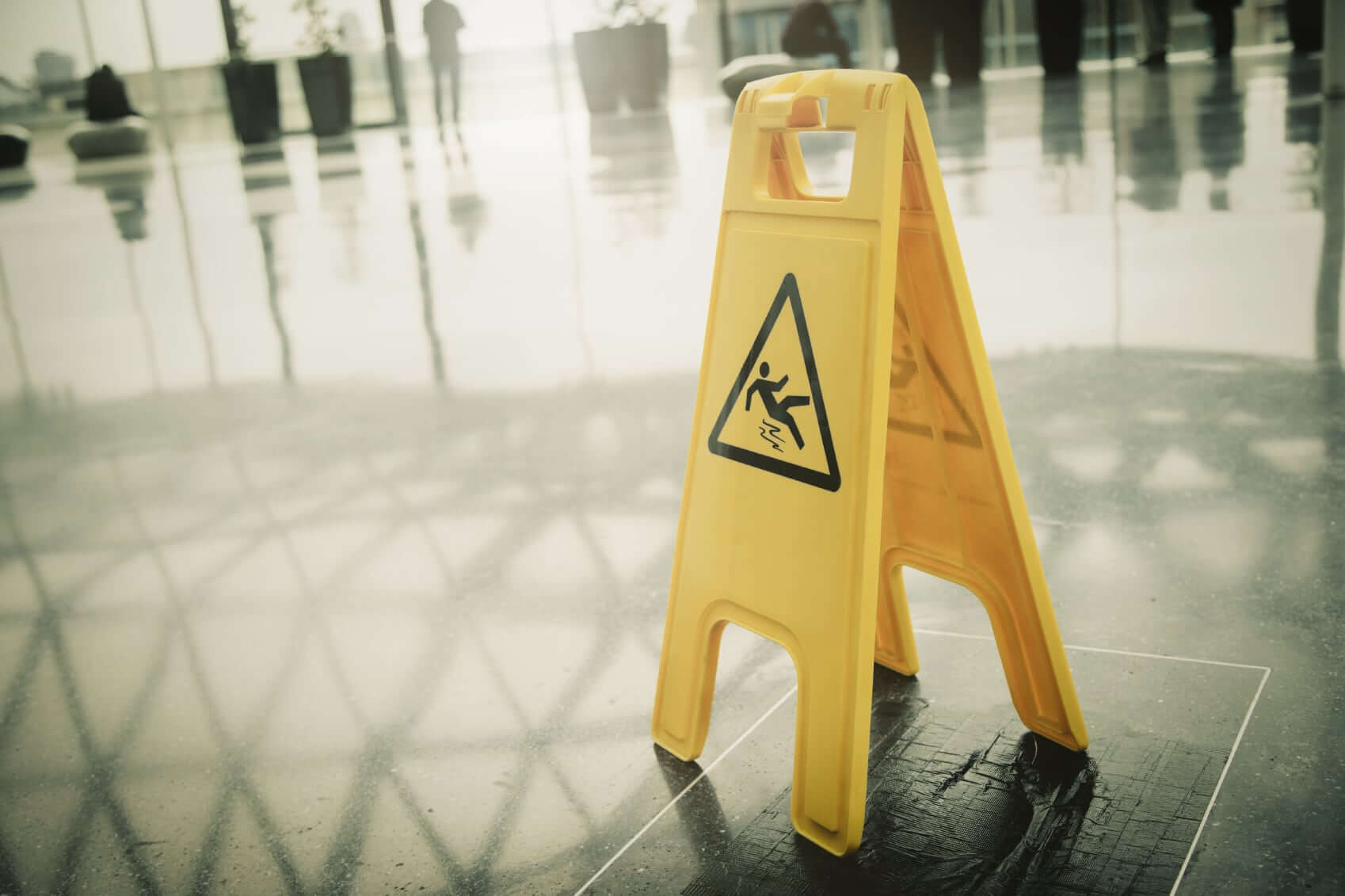
Instead, the legal focus shifts to whether the property owner took sensible steps to mitigate the risks that the rain presents. This often involves examining whether there were adequate floor mats at entrances, if “Wet Floor” signs were deployed in a timely manner, and if drainage systems were properly cleared of autumn leaves and debris to prevent pooling on walkways.
Key Factors That Define a Strong Claim
Not every fall that occurs during a rainstorm leads to a successful legal recovery. To build a compelling narrative, legal professionals look for specific indicators of negligence that go beyond the mere presence of water.
Notice of the Hazard
One of the most critical hurdles is proving that the owner had “notice” of the hazard. This could be “actual notice” where an employee was told about a puddle but failed to mop it or “constructive notice,” which suggests the hazard existed for such a length of time that the owner should have discovered it through routine inspections.
The “Open and Obvious” Defense
In many rainy season cases, defense attorneys argue that the danger was “open and obvious.” The logic here is that a reasonable person in Portland knows that outdoor stairs are slippery when it’s pouring outside. A successful claim must often demonstrate that the hazard was somehow deceptive—perhaps a patch of “black ice” hidden under rainwater or a floor coating that becomes unexpectedly frictionless when damp.
Tracking and Transitory Substances
Rainwater is considered a “transitory substance.” Because it is constantly being tracked in by customers, the law allows business owners a reasonable window of time to address the issue. A claim often hinges on the specific maintenance logs and surveillance footage that show how often the staff was monitoring the entrance during peak weather events.
Challenges Unique to the Portland Landscape
Portland’s urban design adds layers of complexity to these incidents. The city’s famous abundance of deciduous trees means that wet, decaying leaves often coat sidewalks, creating a slick film that is arguably more dangerous than water alone. Furthermore, the prevalence of older, historic buildings means that some entryways may lack modern non-slip materials or proper grading to prevent water from accumulating.
When investigating these incidents, a legal team will often look into whether a specific sidewalk is city-owned or privately maintained, as the rules for filing a claim against a municipality differ significantly from those involving a private business owner.
The Benefit and Limitation of Expert Testimony
In complex slip-and-fall litigation, experts are often brought in to measure the “coefficient of friction” on a surface. These professionals use specialized tools to determine if a floor meets safety standards when wet.
While this data is invaluable for proving a surface was dangerously slick, it is only one piece of the puzzle. The limitation lies in the fact that data cannot account for human behavior. A jury will still consider the footwear of the person who fell and whether they were distracted by a phone or carrying items that obscured their view of the ground.
Common Questions Regarding Wet-Weather Falls
Does a “Wet Floor” sign automatically absolve a business of liability?
Not necessarily. While a sign is a strong defense, it must be placed prominently where it can actually warn someone before they reach the hazard. If a sign is hidden behind a display or placed ten feet past the slippery patch, its effectiveness and its legal weight is diminished.
What if I am partially at fault for my fall?
Oregon follows a comparative negligence rule. This means that even if you were partially responsible (perhaps by running through the rain), you may still be able to recover damages as long as your fault is not greater than the property owner’s. Any recovery would simply be reduced by your percentage of fault.
Moving Forward After an Injury
The window for documenting a slip-and-fall is incredibly brief, especially when the evidence is as fleeting as rainwater. Securing photos of the scene, identifying witnesses, and noting the presence (or absence) of safety mats are all steps that occur in the immediate aftermath. By applying a rigorous, evidence-based approach to the specific conditions of the Northwest, legal professionals help ensure that the responsibility for safety remains where it belongs: with those who control the environment. Additional perspectives on practical topics can also be found through dimensionspoint.