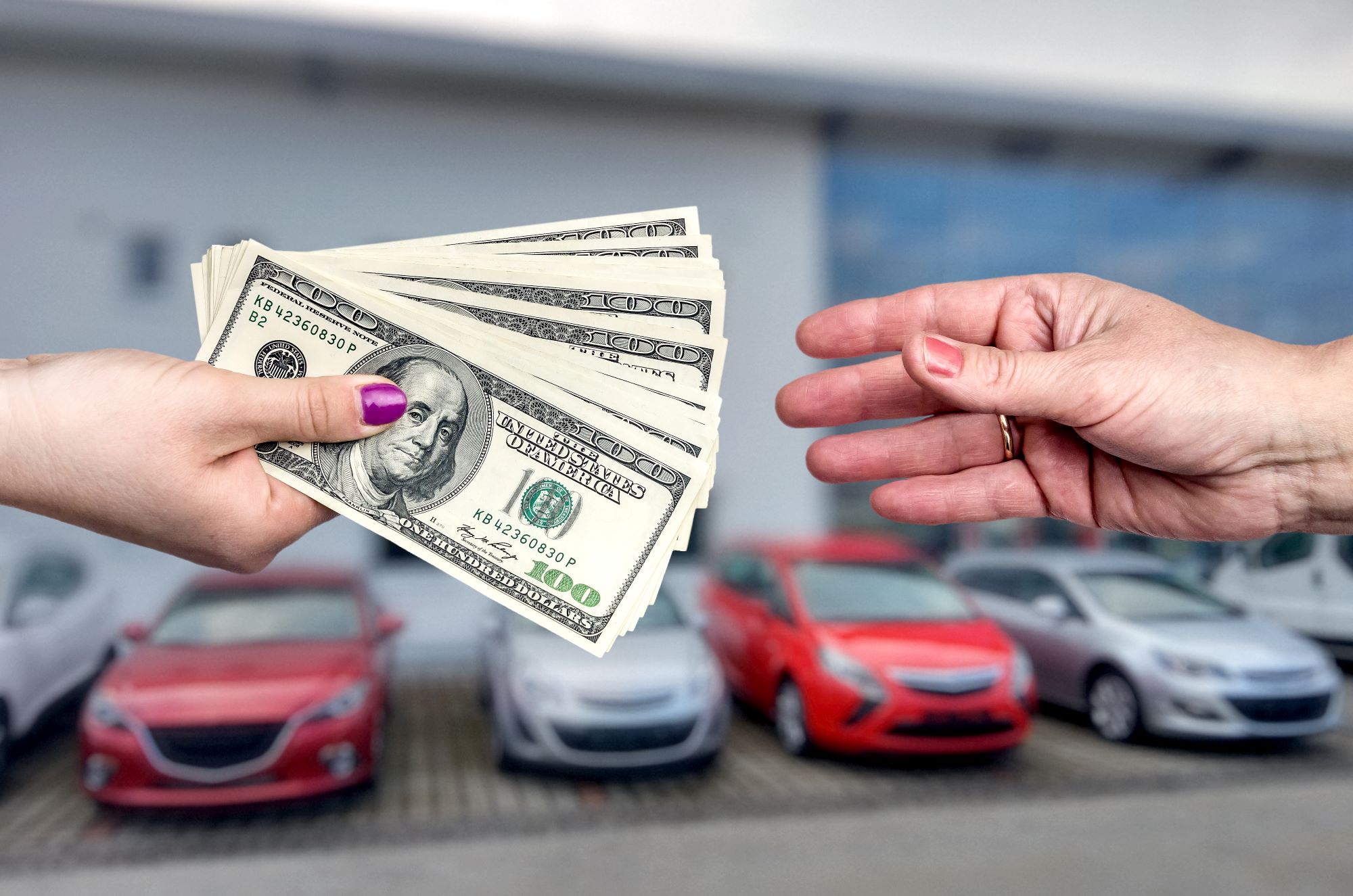
Everyone has that one vehicle story. Maybe it is the car that got you through school or the one that has been sitting in the driveway after a breakdown that never quite got fixed. At some point, nostalgia turns into a nuisance, and that old car becomes more of a burden than a convenience. The good news is that turning it into extra cash is far easier than most people expect. With a bit of preparation and a clear plan, you can move from “I really should do something about that car” to converting a junk car into money without a long, painful process.
Why Your Old Car Is Worth More Than You Expect
Many drivers assume that a car with high mileage, body damage, or serious mechanical problems has almost no value. It feels like a burden, not an asset. In reality, that old vehicle often has more potential than you realize.
Buyers look at more than shiny paint and a quiet engine. Even when a car no longer runs, the parts, metal, and core components can carry real value. That means a dented fender, a broken transmission, or a dead battery does not automatically erase the worth of the vehicle. The value simply shifts from “daily driver” to “parts and materials.”
On top of that, there is a real convenience factor in play. A buyer who specializes in older and damaged vehicles knows how to extract value from them efficiently. They understand which parts can be reused and what can be recycled. You are not just selling a car. You are selling the opportunity for someone else to put that vehicle to better use than letting it rust in your driveway.
When you think about it this way, that old car is not a problem you are stuck with. It is a small pile of money in disguise, waiting for the right person to turn it back into cash.
The Hidden Costs Of Letting An Old Car Sit
Before you even start getting quotes, it helps to understand how much that old vehicle is quietly costing you. Once you see the numbers, the motivation to act grows quickly.
There is the obvious cost of space. A car that never moves still takes up room in the driveway or garage. Maybe it keeps you from parking your newer vehicle under cover. Maybe it blocks space you would rather use for a workspace, storage, or a clean, open area. The longer it sits, the more “normal” it feels to have that wasted space, even though you could reclaim it.
There are financial costs, too. Insurance, registration, and inspection fees can add up, even when you barely use the car. Some people keep paying because they feel uncertain about what to do next, or they hope they might repair the vehicle one day. Meanwhile, money trickles away each year on something that no longer fits their life.
There is also a mental cost that is easy to overlook. Each time you walk past the vehicle, you get a little reminder of an unfinished task. That small sense of guilt or annoyance stacks up over time. Selling the car does not just clear your driveway. It clears mental space, too, which feels surprisingly refreshing once it is gone.
Getting Your Old Car Ready To Sell
The good news is that preparing an old car for sale does not mean a full makeover. You are not trying to turn it into a showroom model. You are simply making it easy for a buyer to understand what they are looking at.
Start by gathering basic information. Write down the year, make, model, mileage, and any major events in its history. If it has been in a serious accident, had flood damage, or been sitting for a long time, be honest about that. Buyers appreciate clarity. Clear details help them give you a realistic offer the first time, without awkward surprises later.
Next, round up the paperwork. Look for the title, previous repair invoices, and any documentation that shows maintenance or replacement parts. Even with an older car, proof that you took care of it before it gave up can help a buyer see its potential.
A quick clean-up goes a long way. You do not need a professional detail, but removing trash, personal items, and obvious dirt helps buyers see the car itself. Empty the trunk, glove compartment, and door pockets. People often forget documents, receipts, and even valuables in those spaces, so this step protects you as well as the buyer.
Finally, take a few honest photos if you are getting online quotes. Show the car from multiple angles and capture any significant damage. Clear photos build trust and set the stage for smoother conversations about price.
Finding A Buyer Without Headaches And Haggling
Once your car is ready, the next step is deciding who to sell it to. This decision has a big impact on how smooth your experience feels.
Many people start by listing their car privately, only to realize how stressful that route can be. You might spend days answering messages from people who never show up, dealing with low offers, or worrying about meeting strangers to test drive a vehicle that barely runs. The time and energy cost often outweighs the extra money you hope to gain.
Working with a buyer who focuses on older, damaged, or unwanted vehicles is often much easier. They already expect issues like engine trouble, body damage, or missing parts. Instead of judging the car against showroom standards, they evaluate it based on what can be salvaged and reused. That mindset leads to more realistic conversations from the start.
When you are gathering offers, pay attention not only to the number, but to what is included. A slightly higher offer that requires you to pay for towing or handle complicated paperwork may not be better in the end. A clear offer that covers pickup, paperwork help, and fast payment often wins once you consider the full picture.
The goal is not just to squeeze every possible cent out of the car. The goal is to walk away feeling that you made a smart decision without burning days of your life in the process.
Closing The Deal And Enjoying The Extra Cash
When it is time to finalize the sale, a little preparation makes everything go smoothly. Make sure the title is ready to sign and that you understand which fields you are responsible for. Have your identification handy and know where you will be meeting the buyer, whether at your home or another safe, public spot.
Before handing over the keys, do one last sweep through the car. Check under the seats, in the trunk, and in any compartments where paperwork, gadgets, or personal items might be hiding. It is easier to remove everything now than to chase it later.
Talk through the payment method in advance. Many modern buyers rely on secure, traceable options that transfer funds immediately. This setup offers peace of mind on both sides, since there is a clear record of the transaction. Once the payment is confirmed, you can complete the paperwork, hand over the keys, and watch that long-term worry roll away.
The moment the car leaves, you feel the shift. Suddenly, you have more space, a lighter to-do list, and extra cash that you can put toward something that serves your life today. Maybe that means paying down a bill, building an emergency fund, or saving for a newer, safer vehicle.
What once felt like an unsolvable annoyance becomes a small success story. You took control, turned clutter into cash, and made a practical decision that benefits your wallet and your peace of mind. That is the real win behind the idea of turning your old car into instant money.