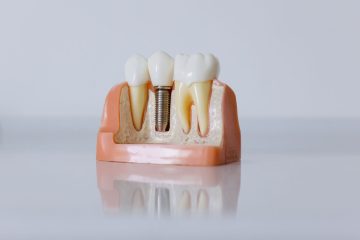
A chipped tooth can throw off your whole day. One second you are eating, playing sports, or just talking, and the next you are checking the mirror, feeling the rough edge with your tongue, and wondering how bad it is. If you or your child already has braces, a retainer, or another appliance, the stress doubles fast. You are not only worried about pain and appearance. You may even start wondering whether porcelain veneers in North Phoenix could be part of a long-term solution. You are also trying to figure out whether to call the family dentist, the orthodontist, or both.
That confusion is common, and the answer is often shared care. In many cases, the dentist handles the damaged tooth, checks the nerve and surrounding tissue, and restores the shape and strength of the tooth. The orthodontist makes sure braces, wires, aligners, or bite changes do not interfere with healing. Dental and orthodontic care after a chipped tooth works best when both offices communicate early, because timing affects comfort, appearance, and long term tooth health.
Chipped tooth treatment often needs both tooth repair and bite planning
Not every chipped tooth is the same. A small enamel chip may need smoothing or bonding. A deeper break can expose dentin or even the pulp, which raises the risk of pain, infection, and more complex treatment. MedlinePlus explains that tooth injuries can range from minor cracks to serious fractures, and some need urgent dental attention, especially when there is bleeding, severe pain, or a loose tooth. You can review the basics of tooth injuries and dental emergencies to understand why prompt care matters.
If braces or aligners are already moving the teeth, the situation gets more complicated. A chip can change the shape of the biting edge, which may affect how teeth meet. That matters because orthodontic treatment relies on controlled pressure and a predictable bite. If a front tooth is repaired without considering bracket placement or aligner fit, the restoration may need to be adjusted later. If the orthodontist keeps moving a tooth that has a deeper fracture or root injury, healing may be delayed.
This is where coordination helps. The dentist usually starts by checking the tooth structure, taking X rays if needed, testing sensitivity, and deciding whether the injury is cosmetic or more serious. Guidance in the NCBI Bookshelf chapter on tooth fractures and crown injuries shows why the depth and location of the fracture shape treatment. The orthodontist then reviews whether appliances need to be removed, repositioned, or paused.
You might be dealing with a child who chipped a front tooth at school, or an adult who hit a coffee mug against an upper incisor while wearing aligners. In both situations, the first fix is not always the final fix. A bonded repair may restore the look of the tooth right away, but the team may still need to monitor the tooth for color changes, nerve symptoms, or bite pressure over time.
Coordinated chipped tooth care protects both appearance and long term function
The hardest part for many families is that a chipped tooth can look small and still have hidden issues. Pain may show up later. A tooth can test normal on day one and become sensitive weeks after the injury. Research on traumatic dental injuries, including findings discussed in clinical reviews of crown fractures and follow up care, supports ongoing monitoring because complications do not always appear right away.
That follow up matters even more during orthodontic treatment. Teeth under active movement need healthy roots, bone support, and stable nerve response. If there is any sign of deeper trauma, the orthodontist may reduce force or delay the next stage. If the chip changed the tooth shape, the dentist and orthodontist may coordinate the order of care so the final restoration matches the final tooth position.
Coordinating a dentist and orthodontist after tooth damage is also about avoiding repeat work. A restoration placed before braces are adjusted may chip again if the bite hits it too hard. A bracket bonded to a damaged surface may not hold well. Good communication cuts down on that cycle.
Practical differences between dentist care and orthodontic care after a chipped tooth
|
Concern |
Family Dentist And Orthodontist |
|
Immediate pain or sensitivity |
Dentist evaluates the fracture depth, exposed dentin, and nerve health. Orthodontist checks whether wires or aligners are adding pressure. |
|
Visible chip on a front tooth |
Dentist may smooth, bond, or restore the tooth. Orthodontist confirms the repair works with brackets, aligners, and final tooth position. |
|
Loose bracket or bent wire after impact |
Dentist rules out tooth and gum injury first. Orthodontist repairs or adjusts the appliance after the tooth is stable. |
|
Bite feels different after repair |
Dentist checks the restoration height and contact points. Orthodontist checks whether tooth movement or appliance fit needs to change. |
|
Follow up over the next weeks and months |
Dentist monitors pulp health, color change, and fracture stability. Orthodontist monitors safe tooth movement and appliance performance. |
Clear steps help you respond faster and avoid more damage
1. Protect the tooth and call promptly. Rinse gently with water, avoid chewing on that side, and save any broken fragment if you can find it. If there is swelling, bleeding, severe pain, or the tooth looks displaced, seek urgent dental care. If braces or aligners are involved, mention that when you call so both providers can plan around the appliance.
2. Ask who is leading each part of care. You need clarity fast. Ask whether the dentist is handling the repair first, whether orthodontic treatment should pause, and whether photos or X rays will be shared between offices. This is the simplest way to support chipped tooth treatment with dentist and orthodontist support without getting stuck in mixed messages.
3. Watch the tooth after the first visit. Even when the repair looks good, pay attention to new sensitivity, darkening color, gum swelling, or a bite that feels off. Keep follow up visits. A chipped tooth is not always a one visit problem, especially when active tooth movement is part of the picture.
Good communication between providers makes recovery smoother
A chipped tooth feels urgent because it is personal. It changes how you eat, smile, and talk, and if orthodontic treatment is already underway, it can feel like one problem just turned into three. The good news is that the path is often straightforward when the right people coordinate early. The dentist protects the tooth. The orthodontist protects the bite and the treatment plan. Together, they help you avoid setbacks and keep care moving in the right direction.
If you are dealing with a chipped tooth during braces or aligner treatment, reach out for guidance as soon as possible. Prompt, coordinated care from a Family Dentist And Orthodontist can make the repair simpler and the outcome more stable.