You may already be doing a dozen small things every day to keep someone safe during meals, drinks, and medicine time, and oral care can still feel like the part that keeps slipping through the cracks. That is common. When a family member has reduced swallowing control, even a simple toothpaste choice can raise real concerns about choking, coughing, or swallowing too much foam or liquid. You are not overthinking it. The right products can lower risk, make cleaning easier, and help protect comfort, breath, gums, and teeth. If you need added guidance, a dentist in Saint Paul can help you choose safer options for daily care.
Good oral care matters even more when swallowing is hard. Food, saliva, bacteria, and dry mouth can build up fast, and that can lead to tooth decay, gum disease, bad breath, mouth pain, and a higher risk of infection. The goal is not to build a perfect routine. It is to choose safer, gentler products and use them in a way your family member can tolerate.
Reduced swallowing control changes what safe oral care looks like
Standard oral care products are often made for people who can spit well, rinse easily, and handle strong flavors or lots of foam. That can become a problem when swallowing is weak or delayed. A large amount of foaming toothpaste may trigger coughing. Thin mouthwash may be hard to control. Even a toothbrush with a bulky head can feel overwhelming if someone struggles to keep their lips closed or move their tongue well.
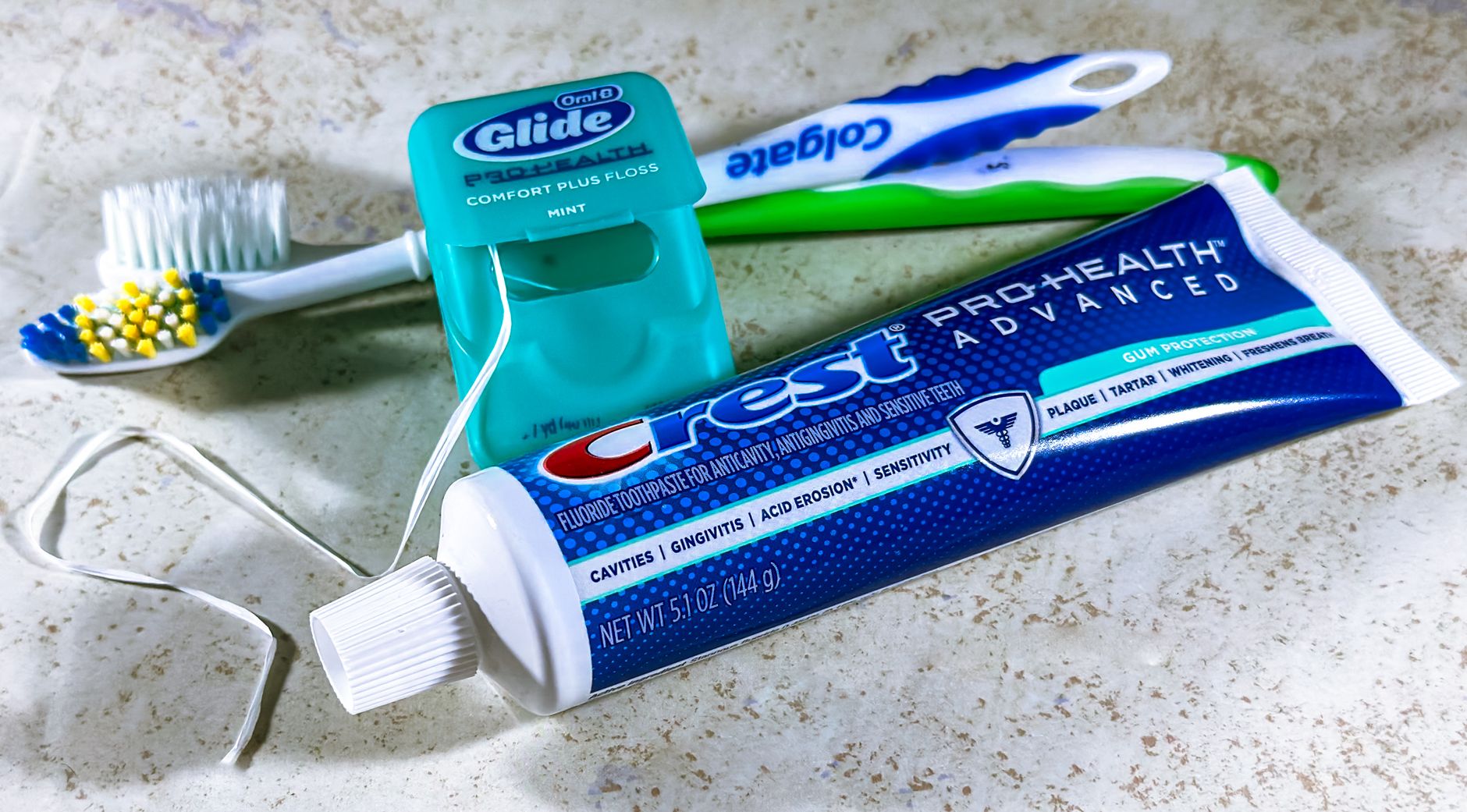
This is where choosing oral care products for family members with reduced swallowing control becomes less about preference and more about function. A soft toothbrush, a small smear of low foam toothpaste, oral swabs for moisture, and alcohol free rinses used only when appropriate can make a big difference. If your family member has dysphagia, product texture and volume matter just as much as cleaning power.
The medical side of this is clear. Poor mouth care can increase bacterial load in the mouth, and for people who aspirate, that raises concern. The University of Mississippi Medical Center outlines why oral care for people with swallowing problems is part of safer daily care, not an extra task. MedlinePlus also explains the broader impact of swallowing disorders, including how these conditions can affect routine activities.
Product choices should lower risk and reduce strain
You do not need a shelf full of special tools. You need products that match the person in front of you. If they tire easily, a long routine may fail by day three. If they hate mint, a strong toothpaste may lead to refusal. If they clench or bite the brush, a flimsy handle will not help much.
Start with the toothbrush. Soft bristles are usually the safest choice because they clean without scraping sensitive gums or dry tissues. A small headed brush gives you more control and can be easier to angle inside the mouth. For some people, an electric toothbrush helps because it does more work with less brushing motion. For others, the sound and vibration are too much. You often learn that by trying once, then adjusting.
Toothpaste is where many caregivers run into trouble. More foam is not better here. Use a small amount, often a rice sized smear, unless the dental team recommends something else. Mild flavor matters. Strong mint can feel sharp, especially if the mouth is dry or sore. If someone cannot spit well, a lower foam toothpaste is often easier to manage. In some cases, a dentist may suggest a high fluoride option, but that needs guidance based on cavity risk and swallowing ability.
Mouth rinses deserve caution. Many are too harsh, too thin, or too easy to swallow by accident. Alcohol free formulas are gentler, but even then, not everyone should use a rinse. Some people do better with a damp toothbrush, oral gel, or a moisturizing spray instead. The National Institute on Aging offers practical guidance on taking care of teeth and mouth health, including dry mouth concerns that often overlap with swallowing issues.
Oral care for swallowing difficulties works best with simple, repeatable tools
When routines break down, it is usually because they are too messy, too long, or too uncomfortable. A safer setup often includes a towel, good lighting, a soft brush, a very small amount of toothpaste, and a plan for positioning. Upright posture helps. Slow pacing helps. Clearing the mouth gently after brushing helps. If a person pockets residue in the cheeks, that needs extra attention.
For many families, the biggest relief comes from realizing they do not need to force products that clearly are not working. If a rinse causes coughing, stop using it. If the toothbrush head is too large, switch it. If dryness is the main issue, focus on moisture support between brushings. Dental care products for swallowing issues should make the task calmer, not harder.
Comparing common oral care products for reduced swallowing control
|
Product Type |
Helpful Features |
Use With Caution |
Best Fit |
|
Soft manual toothbrush |
Gentle on gums, easy to control, low cost |
Large brush heads may trigger gagging |
Most daily routines |
|
Electric toothbrush |
Less hand motion needed, efficient plaque removal |
Noise or vibration may overwhelm some users |
People who tolerate sensory input well |
|
Low foam toothpaste |
Easier to manage with limited spitting, less residue |
Strong flavors can still irritate |
People with poor spit control |
|
Alcohol free mouth rinse |
May freshen and soothe dry tissues |
Thin liquid can be swallowed or aspirated |
Only when rinse control is safe |
|
Oral swabs and moisturizing gels |
Helpful for dryness, comfort, and gentle cleaning |
Do not replace brushing for plaque removal |
Supportive care between brushings |
Three steps you can take today
1. Simplify the routine. Choose one soft toothbrush, one mild low foam toothpaste, and one moisture product if dryness is a problem. Too many products create confusion and waste money.
2. Watch the mouth, not just the label. Notice coughing, fatigue, food pocketing, lip closure, and whether your family member can spit at all. The safest product is the one they can handle without distress.
3. Ask for a joint plan. A family dentist, primary care clinician, and speech professional can help you decide what is safe to use, how much toothpaste is appropriate, and whether rinses should be avoided.
Steady care matters more than perfect care
You are trying to protect someone you love from problems that can start small and turn serious fast. That weight is real. The good news is that safer oral care usually comes from a few smart changes, not a complete overhaul. A gentler brush, less foam, better positioning, and a routine the person can tolerate often go a long way.
If you need support, talk with a family dentist about product choices and daily techniques that fit your loved one’s swallowing needs. The right plan can make oral care safer, calmer, and easier to keep up with.