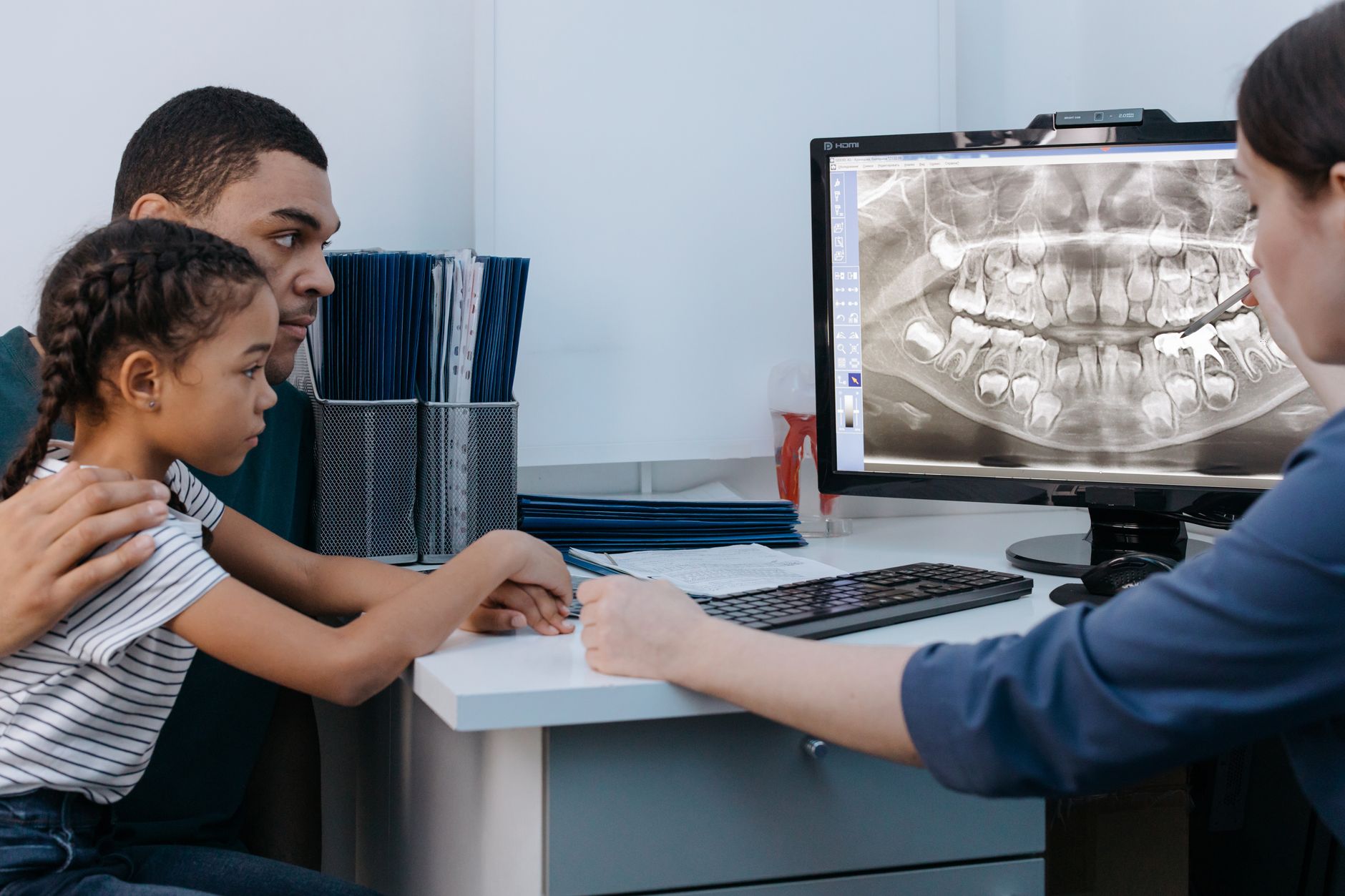
You usually do not book a dental visit because life feels calm and organized. It happens when a child mentions a sore tooth, when you notice bleeding while brushing, or when a routine cleaning turns into talk about fillings, sealants, or gum care. That is when stress shows up, and many families start looking for advanced dental care in Phoenix. You are not only thinking about treatment. You are thinking about cost, time, comfort, and whether the same problem will keep coming back.
That is where family dentistry tends to work best. Good care is not just fixing what hurts today. It is treating the issue, explaining why it happened, and giving you clear habits that lower the chance of another problem next month or next year. The balance matters. Treatment without education can feel like a reset button that never lasts. Education without treatment leaves pain and damage in place.
Family dental care works best when treatment and education happen together
A cavity is a simple example. A dentist can remove decay and place a filling, but that alone does not explain why the cavity formed. If a child sips juice through the day, if brushing misses the gumline, or if dry mouth is part of the picture, the repair solves only one part of the problem. According to the NIH overview of tooth decay, decay develops when bacteria in the mouth feed on sugars and produce acids that wear down tooth enamel. That process keeps going unless daily habits change.
You see the same pattern with gum irritation, tooth sensitivity, and worn enamel. The treatment may be a cleaning, fluoride, a night guard, or a filling. The education piece is what gives that treatment a chance to hold. You learn how often to brush, where plaque tends to hide, what foods or drinks raise risk, and when a small symptom means it is time to come in before the problem grows.
Balancing dental treatment and patient education also helps families make sense of timing. Not every issue needs the same response. A small spot of early decay may call for fluoride and close monitoring. A deeper cavity needs a filling before pain starts. When a dentist explains that difference in plain language, you are less likely to delay care because the plan feels random or unclear.
When dental education is missing, the same problems return
Plenty of people grew up hearing only the basics. Brush twice a day. Floss more. Avoid candy. Then real life gets in the way. Kids resist brushing. Adults rush through it at night. Someone in the house drinks sports drinks, grinds teeth, or takes medication that causes dry mouth. The result is frustrating because the problem can feel personal, like you failed somehow, when it is often a mix of habits, biology, and timing.
That frustration gets expensive. A missed six month visit can turn plaque buildup into gum inflammation. A small cavity can become a larger restoration or even a root canal if it is ignored long enough. The CDC shares practical oral health tips for adults that support prevention, including brushing with fluoride toothpaste, cleaning between teeth, limiting sugary foods and drinks, and keeping regular dental visits. Those steps sound basic because they are, but basic does not mean minor. Repeated every day, they are what protect the work done in the chair.
This is why a strong general and family dentist pays attention to patterns, not only procedures. If one child keeps getting cavities on back molars, sealants and brushing technique may matter more than another lecture about sugar. If an adult has gum tenderness around crowns, home care tools and cleaning method may need to change. The goal is not to hand out generic advice. The goal is to match treatment to the reasons the problem developed.
Practical choices in family dentistry shape long term results
|
Approach |
Short Term Effect |
Long Term Result |
|
Treatment only |
Pain or damage is addressed |
Higher chance the same issue returns if habits stay the same |
|
Education only |
You understand the problem better |
Existing decay, infection, or damage can worsen without care |
|
Preventive family dental care with treatment and coaching |
Current issue is managed and daily routines improve |
Better odds of fewer emergencies, lower future costs, and more stable oral health |
|
DIY internet advice |
May offer quick tips |
Can miss hidden decay, gum disease, bite issues, or child specific needs |
Home care still matters most between appointments. The American Dental Association offers guidance on oral home care, including brushing for two minutes twice daily with fluoride toothpaste and cleaning between teeth once a day. Those habits are not a substitute for dental treatment. They are what make professional care last longer.
Small actions at home make general and family dentist visits more effective
Track the pattern, not just the pain. Write down when sensitivity happens, whether bleeding shows up during brushing, and what foods seem to trigger discomfort. That detail helps a dentist connect symptoms to causes faster.
Upgrade one home care habit this week. If flossing never sticks, try floss picks or interdental brushes. If brushing feels rushed, use a timer or electric brush. One change done daily helps more than a long list you never follow.
Ask for a prevention plan that fits your household. Children, teens, adults, and older family members do not all need the same advice. Ask what matters most right now. It may be sealants for one child, fluoride for another, or dry mouth support for an adult.
Lasting dental results come from care you can actually use
The best dental visits leave you with more than a cleaned or repaired tooth. You leave knowing what happened, what to watch for, and what to do next at home. That is how family dentistry balances treatment and education for lasting results. It respects the fact that your mouth does not exist only in the dental office. It lives in your daily routine, your budget, your schedule, and your family habits.
If you want dental care that treats the problem and helps prevent the next one, schedule a visit with a general and family dentist and ask for a plan built around your real life.