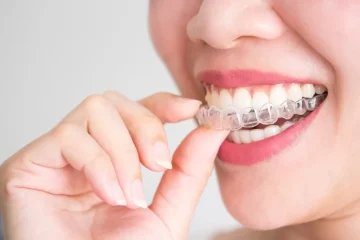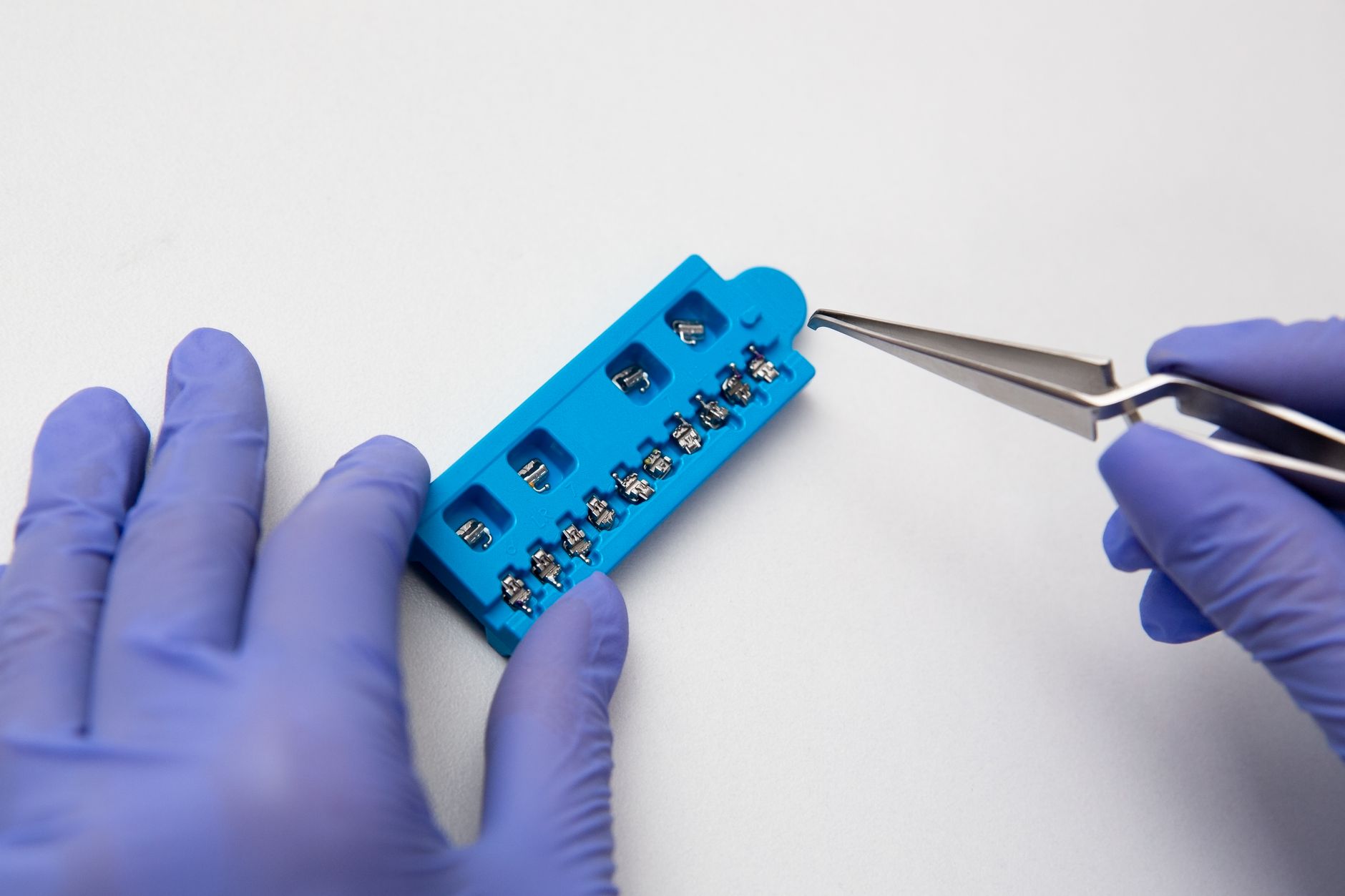
You put time, money, and patience into braces or clear aligners, so it makes sense to want those results to last. A straight smile can still run into trouble when cavities, gum irritation, or worn enamel start showing up in the background. That is the part many people do not expect. Orthodontic treatment moves teeth into better positions, but a general dentist and orthodontist often work toward the same goal from different angles. One creates alignment, while the other, such as a dentist in LA, helps protect the teeth and gums that support it.
If you have ever thought, “I already finished ortho, so why do I still need regular dental visits?” you are not alone. It is easy to think the hard part is over once the brackets come off or the last aligner tray is done. The truth is simpler and less comforting. Straight teeth still need healthy bone, healthy gums, and clean surfaces to stay where they belong. Orthodontic care protection depends on everyday dentistry more than most people realize.
General dentistry protects the foundation behind orthodontic results
Orthodontics can line teeth up beautifully, but alignment does not cancel out decay or gum disease. Plaque still builds up. Retainers still collect bacteria. Small fillings still matter. If your gums become inflamed, the tissue and bone around the teeth can weaken, and that can affect stability over time. According to the CDC, gum disease can damage the tissues that hold teeth in place. That is not a cosmetic issue. It is structural.
This is where general dentistry quietly does some of the most important work. Cleanings remove buildup you cannot fully reach at home. Exams catch small cavities before they turn into larger repairs. Bite checks can spot grinding or pressure that may stress teeth after orthodontic movement. A retainer that no longer fits quite right might be the first clue that something is shifting.
Think about a common scenario. You finish braces, you wear your retainer most nights, and everything seems fine. Then a molar develops decay around an old filling. The tooth shape changes after treatment, the bite adjusts, and the retainer fit becomes less precise. Nothing dramatic happens at once, but small oral health problems can start pushing against the results you paid for.
Orthodontic investments are easier to lose than most people expect
People often focus on obvious relapse, like front teeth crowding again. The less obvious problems can be just as costly. Inflamed gums may bleed when you floss, so you start avoiding that area. Plaque hardens into tartar near the retainer wire or around the gumline. Breath changes. Sensitivity starts. What began as a minor issue turns into treatment that could have been prevented with routine care.
The financial side adds up fast. Orthodontic treatment is already a major expense for many families. Paying for replacement retainers, gum treatment, fillings, or repair of chipped enamel after treatment can feel frustrating because it often seems avoidable in hindsight. The role of general dentistry in protecting orthodontic investments is not abstract. It is the difference between maintaining results and paying to fix preventable problems.
Adults face a slightly different version of the same problem. Many already have crowns, fillings, recession, or grinding habits before orthodontic treatment starts. Straightening teeth can improve cleaning access, but it does not erase those risks. A general dentist helps monitor the whole mouth so the orthodontic result fits into long term oral health, not just short term appearance.
Daily care and routine visits work better together than either one alone
Home care matters, and so do professional visits. Brushing twice a day with fluoride toothpaste, cleaning between teeth, and keeping retainers clean are basic, but they are not minor. The CDC offers oral health tips for adults that line up with what protects orthodontic results long term. The point is consistency, not perfection for one week after an appointment.
Professional care fills in the gaps. Your dentist can see early demineralization, tiny cracks, recession, and bite wear before you feel pain. That matters after orthodontics because teeth that look straight can still be under unhealthy pressure or sitting in irritated tissue. A quick adjustment in habits or a small restoration now is usually easier than trying to correct movement or damage later.
Preventive dental care lowers the risk of relapse and repair costs
|
Approach |
Short Term Outcome |
Long Term Risk |
Likely Cost Pattern |
|
Retainer use without regular dental visits |
Teeth may appear stable for a while |
Decay, gum disease, poor retainer fit, unnoticed shifting |
Lower at first, higher later due to repairs |
|
Regular dental visits without consistent retainer use |
Good oral health monitoring |
Orthodontic relapse from tooth movement |
Possible cost of retreatment or replacement retainers |
|
Retainer use plus preventive general dentistry |
Better support for alignment and gum health |
Lower risk of preventable problems |
More predictable maintenance costs |
The best outcome usually comes from both. Teeth need support from bone and gums, and they need protection from decay and wear. Orthodontics changes position. General dentistry helps preserve the conditions that keep that position stable.
Three steps help protect your orthodontic investment right away
1. Treat your retainer like a medical device. Wear it as directed, clean it daily, and do not ignore tightness or looseness. A retainer that suddenly feels different may be warning you about shifting, grinding, or changes in dental work.
2. Keep preventive visits on schedule. If you finished orthodontic treatment, routine exams and cleanings are not optional maintenance. They are part of protecting the result. Ask your dentist to check gum health, enamel wear, and whether any restorations are affecting your bite or retainer fit.
3. Act on small symptoms early. Bleeding gums, bad breath, sensitivity, white spots, and jaw soreness are easy to brush off when life gets busy. They are often the first signs that something needs attention. Early treatment is usually simpler, less invasive, and less expensive.
Strong orthodontic results depend on long term dental support
Straight teeth are not the finish line. They are one part of a healthy mouth, and keeping them that way takes follow through. The real value of orthodontic treatment shows up years later when your teeth still feel stable, your gums are healthy, and your smile does not need avoidable repair. That is where general dentistry earns its place. Keep up with your regular dental care and protect the result you worked hard to achieve.