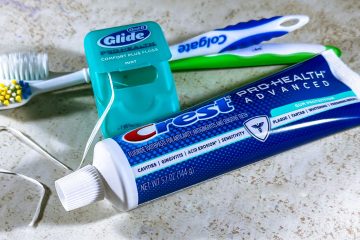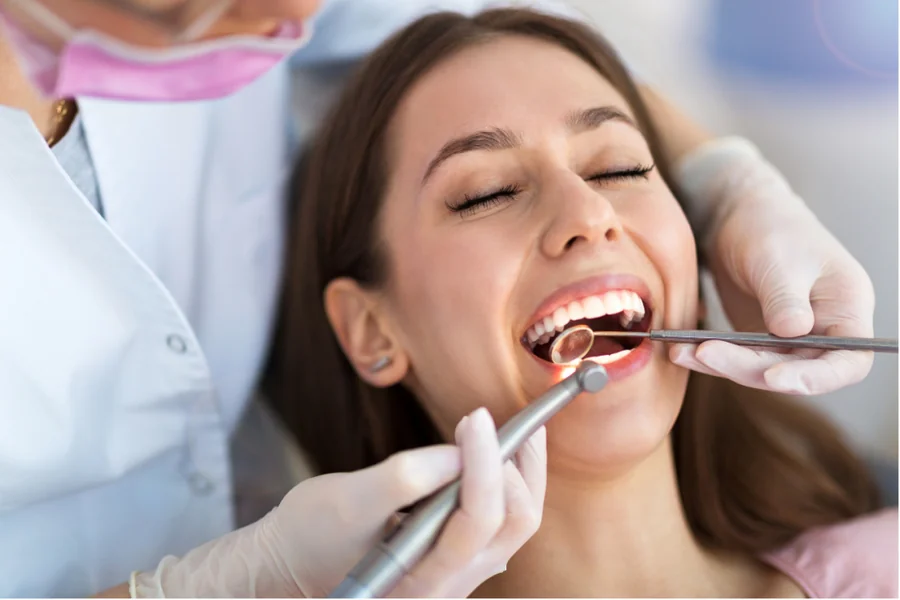
You brush, you try to floss, you mean to schedule that cleaning, and then life gets in the way. A child needs a ride, work runs late, a parent has a medical appointment, and your own dental care slides down the list. That happens in real families every day. The problem is that small gaps in care rarely stay small for long. A little plaque turns into gum irritation, a missed cavity grows deeper, and a dry mouth issue that seemed harmless starts affecting comfort, eating, and sleep. For those facing tooth loss, options that restore confidence with dental implants in Battery Atlanta can also become an important part of getting oral health back on track.
How Preventive Dentistry Protects Smiles Across Every Life Stage comes down to one simple truth. Routine care is easier, less painful, and less expensive than treating damage after it spreads. A trusted family dentist helps children build habits early, helps adults stay ahead of decay and gum disease, and helps older adults protect teeth, gums, and overall health with steady care that fits changing needs.
Preventive dental care works differently at each age
Prevention is not one-size-fits-all. A toddler may need help learning how to brush without turning it into a fight. A teenager may have braces, sports drinks, and a packed schedule that raises the risk of enamel wear and cavities. Adults often deal with stress, clenching, skipped appointments, and diets built around convenience. Older adults may face dry mouth from medication, gum recession, or trouble cleaning around dental work.
That is why preventive dental care for every age matters. The goal stays the same, which is to stop problems early, but the tools change with the person. Fluoride, sealants, cleanings, exams, bite checks, oral cancer screenings, gum care, and home care coaching all play a role. The right plan meets you where you are instead of assuming every mouth has the same risks.
The cost of waiting is not only financial. Dental pain can affect school focus, work performance, sleep, confidence, and even how comfortable you feel smiling in photos. When a child develops fear after a painful visit, or an adult delays care because they expect bad news, the cycle gets harder to break. Prevention keeps dental care familiar and manageable, which often lowers anxiety along with treatment needs.
Family dentistry supports long term oral health
A family dentist sees patterns over time. That matters more than many people realize. If a child has deep grooves in back teeth, sealants may help prevent decay before a cavity starts. If an adult has bleeding gums at each visit, early treatment can stop mild inflammation from turning into periodontal disease. If an older adult has changes in saliva flow or trouble with dentures, those issues can be addressed before they affect nutrition and comfort.
This is where oral health prevention becomes practical, not abstract. It is not just about clean teeth. It is about catching changes early enough that they stay easier to treat. The Centers for Disease Control and Prevention shares clear guidance on oral health prevention, including daily brushing with fluoride toothpaste, flossing, limiting sugary foods and drinks, and keeping regular dental visits.
Adults often assume they already know the basics, but routines slip. If you drink coffee all day, snack between meetings, or wake up with a sore jaw from grinding, your mouth is telling you something. The CDC also offers practical oral health tips for adults that connect daily habits with long term protection. For older adults, the National Institute on Aging explains how to keep teeth and mouth care on track even with medication changes, arthritis, or other health concerns.
Daily habits and professional care do different jobs
Good brushing and flossing at home are essential, but they do not replace professional care. Home care removes food debris and soft plaque. Dental visits look for early decay, gum pockets, worn fillings, bite changes, and signs of trouble you cannot easily see in the mirror. Cleanings also remove hardened tartar that brushing cannot lift away.
| Preventive Step | What You Can Do at Home | What a Family Dentist Adds |
|---|---|---|
| Cavity prevention | Brush twice a day with fluoride toothpaste, floss daily, limit sugary snacks and drinks | Exams, X-rays when needed, fluoride treatments, sealants, early cavity detection |
| Gum health | Clean along the gumline, floss consistently, watch for bleeding | Deep cleaning when needed, measurement of gum pockets, early treatment of gingivitis |
| Enamel protection | Reduce acidic drinks, avoid chewing ice, wear a mouthguard for sports | Assessment of wear, custom guards for grinding, guidance on erosion risks |
| Age related changes | Stay hydrated, clean dentures properly, report dry mouth or soreness | Screenings, denture checks, dry mouth management, oral cancer exams |
The point is not perfection. The point is consistency. A child with decent brushing and regular checkups often avoids bigger problems. An adult who restarts routine cleanings after years away can still prevent a small issue from becoming a root canal. An older adult who speaks up about mouth dryness may avoid a fast rise in cavities around the gumline. Preventive care works best when it stays ordinary.
Small actions make preventive dentistry easier to keep up with
Set a family dental rhythm. Pick a system you will actually use. Put six month visits on the calendar before you leave the office, keep toothbrushes and floss visible, and tie brushing to routines that already happen every day. Children do better with structure, and adults usually do too.
Watch for early signs instead of waiting for pain. Bleeding gums, bad breath that lingers, tooth sensitivity, jaw soreness, dry mouth, and white or dark spots on teeth all deserve attention. Pain is often a late sign. Early signs give you more options and lower costs.
Choose a dentist who treats the whole family over time. A consistent dental home makes follow-up easier, keeps records in one place, and helps your dentist spot gradual changes. That continuity is one of the strongest parts of family dentistry and routine dental prevention.
Preventive dentistry protects comfort, confidence, and health
You do not need a perfect routine to benefit from prevention. You need a realistic one that continues through busy seasons, school years, work stress, aging, and all the ordinary disruptions of life. That is how preventive dentistry protects smiles across every life stage. It keeps problems smaller, visits simpler, and your smile stronger for longer.
If it has been a while since the last checkup, now is a good time to schedule one with a family dentist and get everyone back on track.