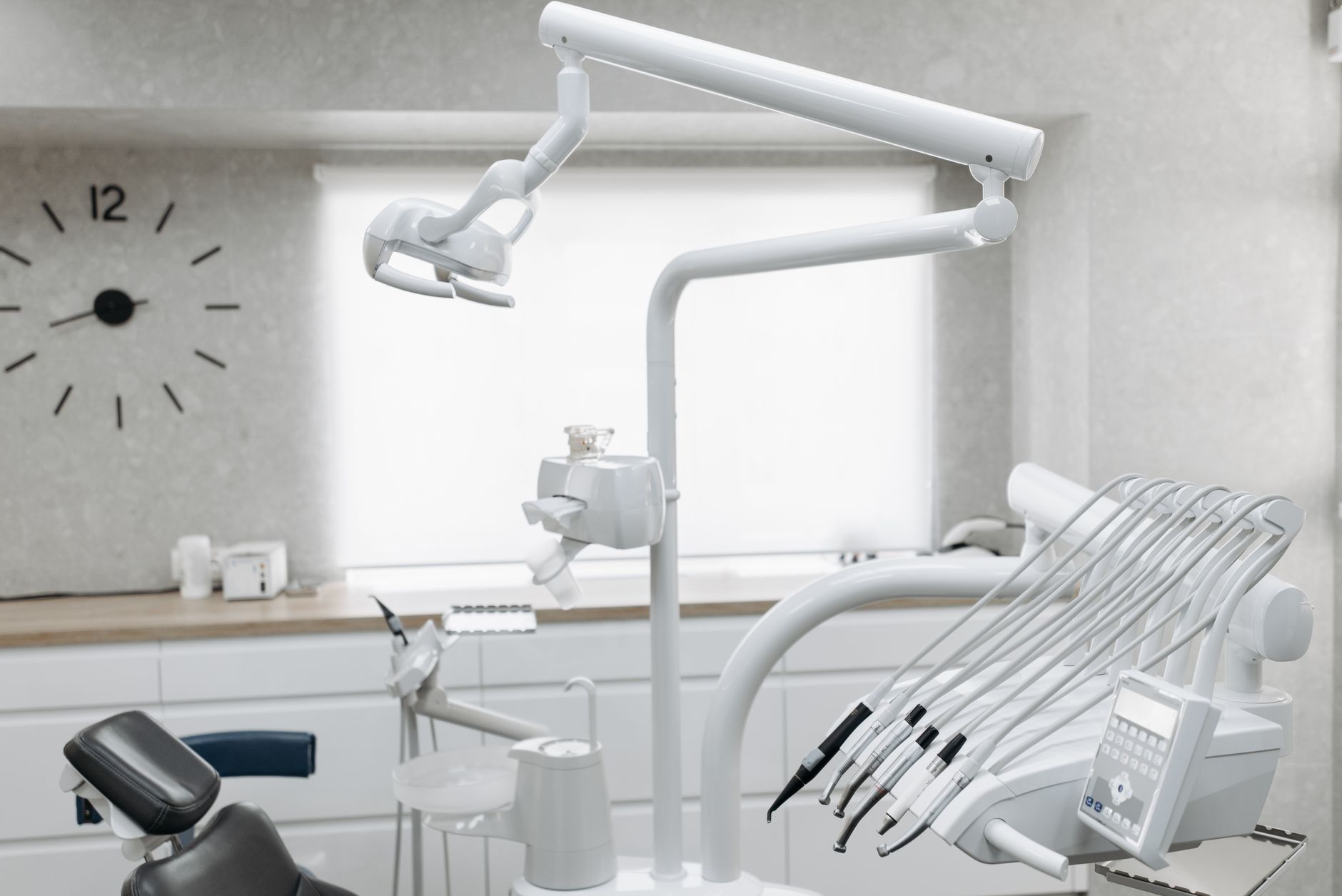
The Hidden Potential of Patient Reception Spaces
Dental practices seeking to distinguish themselves in dental marketing in an increasingly competitive landscape often overlook one of their most valuable assets: the waiting room. Whilst many practitioners focus their attention on clinical excellence and traditional advertising methods, the psychological impact of the physical environment where patients spend their pre-appointment time remains surprisingly underutilised. This space serves as far more than a mere holding area; it represents a crucial touchpoint that shapes patient perceptions, influences treatment acceptance, and ultimately determines whether individuals return for ongoing care.
The waiting room experience begins the moment a patient crosses the threshold. During these initial minutes, individuals form lasting impressions about the practice's values, professionalism, and approach to patient care. Research demonstrates that environmental factors significantly influence anxiety levels, perceived wait times, and overall satisfaction ratings. For practices committed to building strong patient relationships, understanding these psychological dynamics offers remarkable opportunities to enhance the entire patient journey.
Environmental Psychology and Patient Perception
The field of environmental psychology reveals fascinating insights into how physical spaces affect human behaviour and emotional states. Within healthcare settings, these principles become particularly relevant, as patients often arrive with pre-existing anxieties about their upcoming appointments. Studies on waiting room design and patient anxiety have consistently shown that thoughtfully designed environments can substantially reduce stress levels and improve the overall treatment experience.
Colour and Lighting Considerations
The colour palette selected for a dental waiting room communicates subtle messages about the practice's character. Warm, neutral tones typically create feelings of comfort and approachability, whilst cooler hues can evoke cleanliness and professionalism. Natural lighting, where possible, has been shown to reduce perceived waiting times and improve mood states. Practices that invest attention in these seemingly minor details demonstrate a commitment to patient wellbeing that extends beyond the clinical chair.
Spatial Layout and Comfort
The arrangement of furniture within the waiting area deserves careful consideration. Providing options for both social interaction and privacy acknowledges that different patients have varying comfort levels and preferences. Adequate spacing between seating areas respects personal boundaries, whilst the inclusion of diverse seating options accommodates different physical needs and family configurations.
Strategic Elements That Transform Patient Experience
Beyond aesthetic considerations, the waiting room presents opportunities to educate and engage patients in meaningful ways. Display materials should strike a balance between informative content and visual appeal, avoiding overwhelming patients with excessive clinical information. Digital screens showing treatment outcomes, patient reviews, and practice philosophy can subtly reinforce the quality of care provided whilst maintaining an atmosphere of calm professionalism.
Sensory Environment Management
Sound and scent play underappreciated roles in shaping the waiting room atmosphere. Background music at appropriate volumes can mask clinical sounds that might heighten anxiety, whilst pleasant ambient scents create positive associations with the practice environment. Temperature control and air quality similarly contribute to comfort levels, with research on healthcare environments and patient interaction highlighting their importance in overall satisfaction ratings.
Reading Materials and Entertainment Options
The selection of reading materials and entertainment options reflects practice values and demographic understanding. Current magazines, local interest publications, and age-appropriate materials for younger patients demonstrate attention to diverse needs. Many practices now incorporate technology charging stations and complimentary refreshments, acknowledging contemporary expectations whilst enhancing comfort.
Measuring Impact and Continuous Improvement
Understanding the relationship between physical environment design and patient satisfaction allows practices to make informed decisions about their spaces. Regular assessment of patient feedback regarding the waiting experience provides valuable insights for ongoing refinement. Practices that view their reception areas as dynamic spaces, open to evolution based on patient needs and preferences, position themselves advantageously within the broader landscape of marketing dental practices.
Creating Lasting Impressions Through Thoughtful Design
The waiting room represents a unique opportunity within dental marketing strategies. Unlike advertisements or digital content that compete for attention in crowded spaces, the physical environment captures patient focus during a time when they are receptive to forming opinions about the practice. By applying psychological principles to environmental design, dental practices create memorable experiences that encourage patient loyalty, positive word-of-mouth referrals, and treatment acceptance. The investment in thoughtful waiting room design ultimately pays dividends through enhanced patient relationships and practice growth, demonstrating that successful marketing extends far beyond traditional promotional activities into every aspect of the patient experience.