You notice something is off, and it usually happens at the worst time. Your dog starts vomiting late in the evening, your cat suddenly stops putting weight on a paw, or a small wound that looked manageable in the afternoon is swollen and painful by bedtime. You are trying to decide whether this can wait for your regular vet, whether seeing a veterinarian in Willow Grove or visiting an emergency hospital is the right choice, and whether waiting could make things worse. That kind of uncertainty is exhausting.
Veterinary urgent care clinics exist for exactly this middle ground. They help when your pet needs prompt medical attention but may not need a full emergency hospital. That often includes sudden illness, minor injuries, pain, stomach issues, ear problems, skin flare ups, and other conditions that should not sit overnight or through the weekend. If your pet is collapsing, struggling to breathe, having seizures, or showing other signs of a true emergency, emergency care is the right move. Cornell’s overview of urgent care for pets explains this in a practical way, and Ohio State offers a helpful guide to what counts as a pet emergency.
Most pet owners are not looking for perfect timing. They are trying to make a smart call under pressure. Your regular veterinarian may be booked, closed, or unable to handle a same day problem. An emergency hospital can treat severe cases, but if your pet has an ear infection, diarrhea, limping, or a bite wound that is painful but not life threatening, urgent care is often a more appropriate setting.
This is where pet urgent care services matter. These clinics are built for problems that need attention soon because pain, infection, dehydration, and inflammation can worsen quickly. A dog with repeated vomiting can become weak and dehydrated within hours. A cat with a sudden skin abscess may hide pain until the infection is advanced. Waiting it out can turn a manageable visit into a more serious one.
Illness evaluation and same day diagnostics are one of the core veterinary urgent care services
One of the most essential services offered by an animal urgent care clinic is fast evaluation of sudden illness. That includes vomiting, diarrhea, coughing, sneezing, loss of appetite, lethargy, fever, and mild to moderate dehydration. These signs are common, but they are not simple. Vomiting could be a stomach bug, dietary upset, toxin exposure, pancreatitis, or an intestinal blockage. Lethargy could mean pain, infection, anemia, or something less obvious.
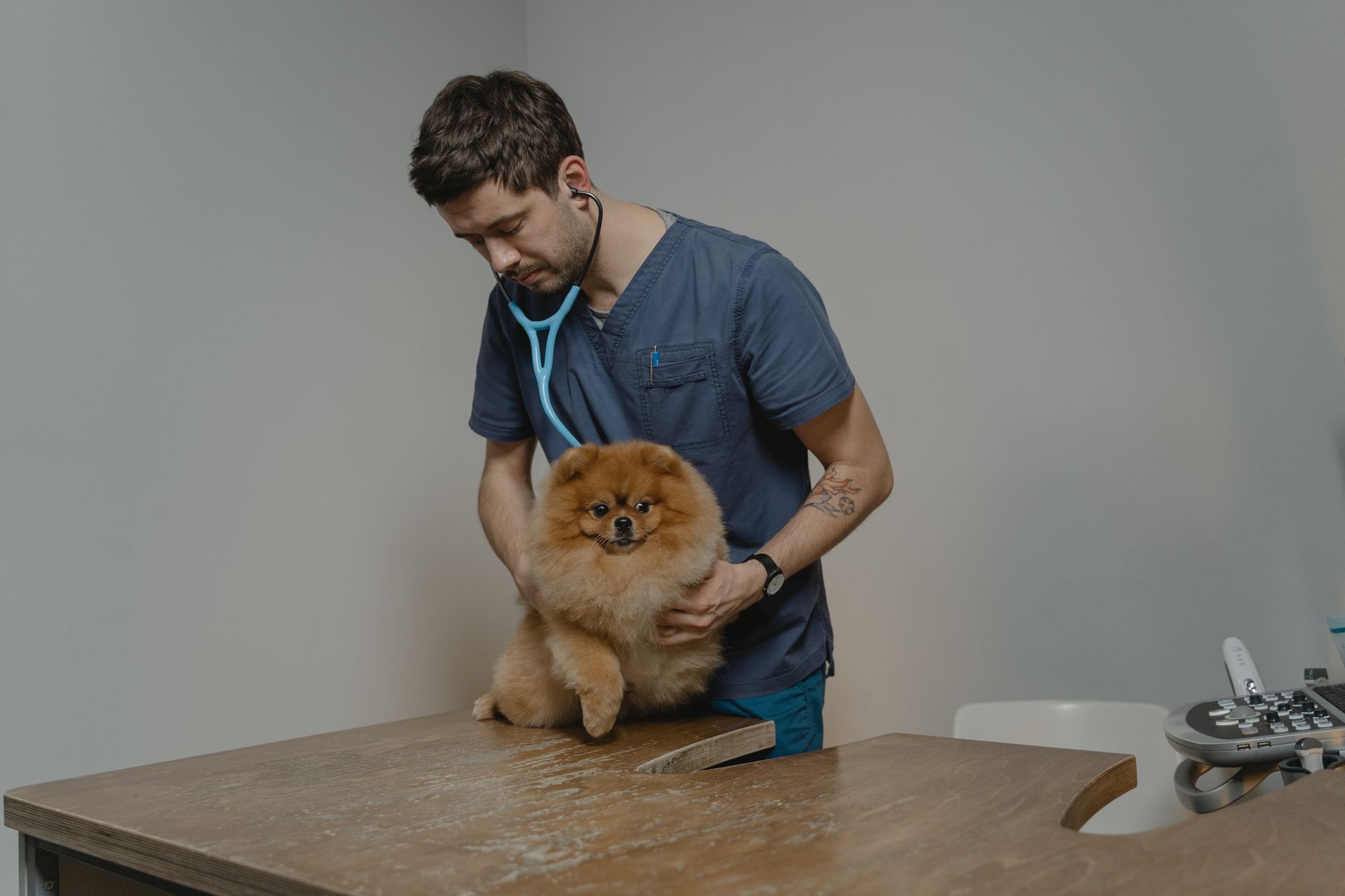
Urgent care teams usually provide physical exams along with basic diagnostics such as bloodwork, fecal testing, urinalysis, and imaging like X rays. That matters because treatment should match the cause. Giving home remedies when you do not know what is driving the symptoms can delay proper care. If your dog ate something strange or your cat has not eaten all day, getting answers quickly can prevent a rough night from becoming a crisis.
Minor injury treatment helps prevent pain and infection from getting worse
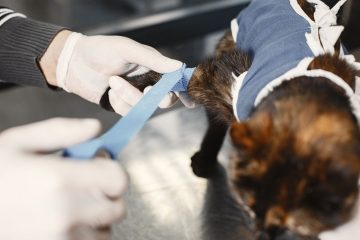
Cuts, limping, swollen paws, torn nails, bite wounds, and minor eye injuries often look smaller than they feel. Pets keep moving, licking, and hiding discomfort, which means an injury can become infected or more painful before you realize how serious it is. A torn nail can bleed a lot and stay tender for days. A small puncture wound from rough play can trap bacteria under the skin.
Urgent care clinics commonly clean and bandage wounds, manage pain, assess sprains and strains, and decide whether stitches, drainage, medication, or imaging are needed. They can also check for fractures or deeper injury that is not obvious from the outside. This is one of the most practical urgent care for pets services because early treatment often lowers the chance of complications and can reduce total cost compared with waiting until the condition worsens.
Ear, skin, and allergy flare up treatment brings fast relief
Some problems are not dramatic, but they are miserable. Ear infections, hot spots, rashes, allergic reactions, and sudden itching can make a pet frantic. You may see constant scratching, head shaking, redness, odor, hair loss, or raw skin. These conditions rarely improve with guesswork. Human creams, leftover medications, and online advice can irritate the area or mask the real issue.
Veterinary urgent care clinics often treat these cases by examining the skin or ears, testing for infection or parasites, and prescribing medication that actually fits the problem. A dog with an ear infection may need cleaning and targeted drops. A cat with a skin lesion may need a different plan entirely. Fast care means less suffering and less chance your pet will make the area worse through licking or scratching.
Pain management and supportive care are essential urgent veterinary clinic services
Pain changes behavior fast. A pet that hides, pants, trembles, cries, refuses food, or snaps when touched is telling you something is wrong. Supportive care is one of the most overlooked services in urgent care, but it often makes the biggest difference in the first 24 hours. This may include fluids for dehydration, anti nausea medication, pain relief, wound care, monitoring, and discharge instructions that help you manage recovery at home.
That support matters because not every case ends with a dramatic procedure. Sometimes the best care is stabilizing your pet, controlling pain, and making a clear plan for follow up with your regular veterinarian. That kind of steady, practical treatment is a major reason families rely on a veterinary urgent care clinic.
Comparing urgent care, emergency care, and waiting for a regular vet appointment
| Situation | Urgent Care Clinic | Emergency Hospital | Wait for Regular Vet |
| Vomiting or diarrhea for several hours, still alert | Often a good fit | Needed if severe weakness, blood, or collapse | Risky if symptoms continue overnight |
| Limping, torn nail, small wound, swelling | Often a good fit | Needed if heavy bleeding or major trauma | May allow pain or infection to worsen |
| Ear infection, rash, hot spot, sudden itching | Often a good fit | Needed if facial swelling or breathing issues | Discomfort often increases quickly |
| Trouble breathing, seizures, collapse, severe bleeding | Usually not enough | Best choice | Unsafe |
Three steps you can take right away when your pet needs urgent care
Observe the pattern. Note when the symptoms started, how often they are happening, whether your pet has eaten, drunk water, urinated, or had a bowel movement, and whether there was any possible toxin, fall, fight, or unusual food involved. Those details help the clinic move faster.
Do not medicate at home unless a veterinarian told you to. Many human medications are dangerous for pets, and even pet medications can be the wrong choice if the cause is unclear. Keep your pet quiet, prevent licking or scratching if you can, and offer only what is safe based on the symptoms.
Choose the right level of care. If your pet has severe breathing trouble, collapse, repeated seizures, major trauma, or uncontrolled bleeding, go to an emergency hospital. If the issue is painful, sudden, and should not wait but is not clearly life threatening, animal urgent care is often the right next step.
You do not need to have every answer before you act. You only need to notice that your pet is not okay and take the next sensible step. Fast treatment for sudden illness, minor injuries, skin and ear problems, and pain can spare your pet a harder night and give you real clarity instead of guesswork. If your pet is uncomfortable or symptoms are getting worse, seek Animal Urgent Care now.