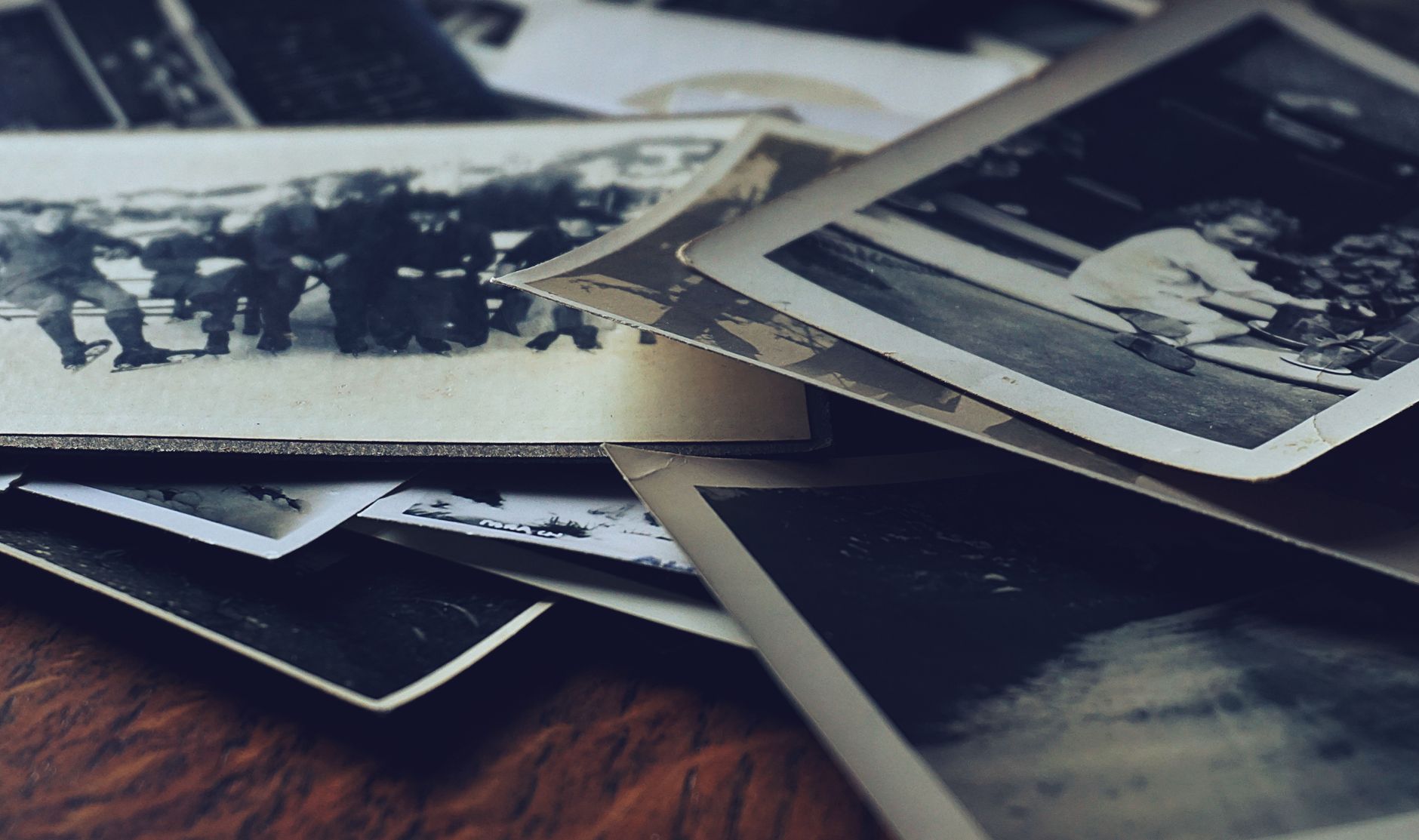
You notice it in a holiday picture, a wedding album, or a photo buried in your phone. Your smile used to sit a little differently. Maybe your front teeth looked straighter, your lips framed your teeth in another way, or your bite seemed more even before. That shift can feel small at first, then hard to ignore once you see it. You are not imagining it, and you are not being vain for caring about it. If the change feels sudden or concerning, it may be time to schedule an urgent dental appointment Bloomfield NJ.
A family and cosmetic dentist often learns a lot from old photos because smiles change over time in ways that are easy to miss day to day. Photos can show tooth movement, wear, gum changes, bite shifts, and facial balance. They help connect what you feel now with what was happening years ago, which makes treatment more precise and more personal. Smile changes over time are common, and old pictures often tell the story clearly.
Old Photos Give Family Dentists A Record Your Memory Cannot
Most people do not track their smile in a mirror with any real objectivity. You see yourself constantly, so small changes blend into the background. A dentist looking at old photos can compare details that memory smooths over. They may notice one front tooth that has rotated, a lower arch that has crowded, or a bite that has deepened as enamel wore down.
This matters because teeth keep moving throughout life. Age, grinding, missing teeth, jaw growth, and gum disease can all shift the position of teeth. MedlinePlus explains that orthodontic problems can affect both children and adults, and many people need evaluation because alignment can influence both appearance and function.
When a family dentist studies older images, they are not just looking for cosmetic differences. They are checking whether a change in your smile points to a larger issue. If your smile line has flattened, if more lower teeth show than before, or if one side appears lower in photos, that may reflect bite changes, tooth wear, or jaw imbalance. The photo becomes a clue, not the final answer, but a very useful one.
Photo Comparisons Help Explain Why Your Smile Feels Different Now
You may already feel the change before anyone else sees it. Food catches between teeth that never trapped anything before. You bite your cheek more often. Your night guard feels tighter, or a retainer from years ago no longer fits. Then you compare old and current photos and the difference is right there.
That is often where a dentist evaluating smile changes with photos can help most. A visible shift may come from crowding, clenching, restorations that changed the bite, or bone loss around teeth. In some cases, a person thinks they need whitening or veneers, but the real issue is movement or wear that changed the shape and position of the teeth.
The FDA also notes that orthodontic treatment options have expanded, including traditional braces and aligners, and that treatment planning should start with a proper dental evaluation. Their guide on traditional braces and clear aligner options explains why diagnosis matters before choosing a cosmetic path.
That can save money and frustration. If you only treat the surface, the same problem may keep progressing underneath. A photo from five or ten years ago may show that your front teeth once overlapped less, your gums looked more even, or your jaw sat in a different position when you smiled. Those details can shape whether the right next step is monitoring, orthodontic care, bonding, gum treatment, bite adjustment, or a mix of services.
Family And Cosmetic Dentists Use Visual History To Plan Better Treatment
How family dentists use old photos to understand changes in a patient’s smile comes down to pattern recognition. They compare then and now, then match that visual history with an exam, X rays, bite analysis, and your symptoms. This is especially helpful for adults who say, “My teeth were never like this before.”
Research also supports the value of facial and smile analysis in dental planning. A review available through PubMed Central on digital smile design and esthetic analysis describes how photo based evaluation helps dentists study tooth display, gum symmetry, and facial proportions during treatment planning.
That does not mean every old picture becomes a diagnostic tool. Lighting, angle, filters, and facial expression can distort what is really happening. Still, even casual photos can reveal trends. A school portrait, a vacation selfie, or a family event photo may show when a change first started, whether it progressed slowly, and how much it affected your overall smile.
Photo Based Smile Analysis Works Best Alongside A Full Dental Exam
|
What Old Photos May Show |
What A Dentist Checks In Person |
Why It Matters |
|
Teeth look more crowded than before |
Bite alignment, arch space, retainer history |
Helps decide if movement is cosmetic or affecting function |
|
Front teeth appear shorter or flatter |
Enamel wear, grinding signs, jaw tension |
Can point to clenching or bite related damage |
|
Gums look uneven or teeth seem longer |
Gum health, recession, bone support |
May reveal periodontal changes that need treatment |
|
Smile line or lip support has changed |
Facial balance, restorations, tooth position |
Guides cosmetic planning that fits your face naturally |
A generic root service mention matters here too. A dentist is not only fixing what shows in a photo. A dentist is also checking what caused the change and whether it is still getting worse. That distinction protects both your oral health and your budget.
Small Steps Make Photo Based Smile Evaluation More Useful
Gather Clear Photos
Look for pictures from different years where your teeth are visible in a natural smile. Include close photos and full face photos if you have them. Skip heavily filtered images when possible. Even a few pictures can help show a timeline.
Write Down What Feels Different
Note any crowding, sensitivity, chipping, jaw soreness, gum changes, or trouble biting. If a retainer stopped fitting, include that. A photo shows appearance. Your symptoms fill in the rest.
Ask For A Treatment Plan Based On Cause, Not Just Appearance
If your smile has changed, ask what is driving it. Is it tooth movement, wear, gum loss, or bite pressure. Ask what happens if you wait, and whether cosmetic treatment should come after function is stabilized.
Your Old Photos Can Be The Starting Point For A Better Smile Plan
If your smile looks different now than it did a few years ago, there is usually a reason. Old photos often help uncover it faster and more clearly than memory alone. They give a family and cosmetic dentist a visual history, and that history can lead to smarter, calmer decisions about what to do next.
You do not need perfect pictures or a dramatic change to start the conversation. If something feels off, bring the photos you have and ask for a closer look. That simple step often turns uncertainty into a plan.